
TL;DR: Cebuano music and dance runs from the ritual Sinulog shuffle (two steps forward, one step back, danced daily at the Basilica del Santo Niño and citywide every January) to the kuratsa courtship dance performed at weddings, the balitaw song-debates and harana guitar serenades that predate mass tourism, and modern novelty-folk icon Max Surban, the Cebu-born “Father of Visayan Music.” Mactan’s hand-carved guitars, made in Lapu-Lapu City since Spanish times, are the instrument underneath most of it. Outside Sinulog (January), Gabii sa Kabilin (May) and Kadaugan sa Mactan (April) are your best chances to see it performed live. Verified July 2026.
Most visitors land in Cebu knowing exactly one piece of its music and dance culture: the Sinulog shuffle, from festival photos and viral parade clips. That’s a fair starting point, but it’s one branch of a much older tree — courtship songs traded verse-for-verse between men and women, a wedding dance where guests pin cash to the dancers, guitars still hand-carved the way they were under Spanish rule, and a novelty-song tradition older than most Manila-based pop. This guide is for anyone who wants Cebu’s music and dance to make sense beyond the festival footage: what the Sinulog steps mean, where kuratsa and balitaw fit into ordinary Cebuano life, who the real Visayan music icons are, and where you can realistically see any of it performed. The devotional heart of most of this is the Santo Niño image at the Basilica del Santo Niño in downtown Cebu City — worth a visit even outside festival season.
Cebuano Music & Dance Forms at a Glance
| Form | What it is | Where you’ll actually see it |
|---|---|---|
| Sinulog | Ritual dance, two steps forward/one back, honors the Santo Niño | Basilica del Santo Niño (daily), grand parade (January) |
| Kuratsa (curacha) | Courtship/wedding dance for one couple, cash pinned by guests | Cebuano and Visayan weddings and fiestas |
| Balitaw | Sung debate between a man and woman, playful or pointed | Cultural programs, folk-music recordings |
| Harana | Solo guitar serenade, sung beneath a window at night | Rare live; mostly recordings and cultural showcases |
| Novelty/Visayan folk | Comic, double-entendre songs in Cebuano (Max Surban) | Radio, videoke, Gabii sa Kabilin |
| Contemporary Cebuano acts | Indie, R&B, and pop artists singing in Bisaya and English | Cebu bar circuit, festivals like Wanderbattle |
Verified July 2026.
What Is the Sinulog Dance, and What Do the Steps Mean?
The core step is simple: two steps forward, one step back, repeated to a relentless drumbeat. Cebuanos call this movement “sulog” — the local word for a river current — because it’s meant to mimic water pushing forward and pulling back. According to the legend behind it, a sleeping sacristan named Baladhay was woken by the Santo Niño image, who had come to life as a mischievous child, and the two ended up dancing that current-like sway together.
That basic shuffle is the seed of everything you see at the January parade: costumed contingents layering choreography, drumlines, and competition routines on top of the same forward-back pulse. You don’t need to wait for festival season to see it, either — around the Basilica del Santo Niño, candle vendors dance a simplified version for visitors as part of a blessing ritual, chanting “Viva Pit Señor” as they go. “Pit” is short for the Cebuano “sangpit” (to call out, to implore); “Señor” is Spanish for Lord — together, a direct appeal: “Hail, Lord, hear our prayer.” For the full ritual history and 2027 parade dates, see our guides on the history and meaning of Sinulog and the Sinulog Festival.
What Is Kuratsa, and Why Does It Show Up at Every Cebuano Wedding?
Kuratsa (also spelled curacha) is a courtship dance performed by one couple at a time, almost always at weddings, and it doubles as a way for guests to give cash. It’s danced to a live band or rondalla (a string ensemble), and it moves through three distinct moods: a slow, formal waltz opening, a faster teasing chase where the dancers circle and dodge each other, and a flirtatious, flourish-heavy finish. As the couple dances, guests step in to pin peso bills to their clothing or press money into their hands — a wedding tradition that’s part blessing, part impromptu fundraiser for the new couple.
Kuratsa has regional variants across the Visayas (Kuratsa Menor is the most common, alongside Kuratsa Mayor and other named forms), and it isn’t unique to Cebu — it’s shared across Leyte, Samar, and Bohol too. The honest catch for travelers: you probably won’t see a real kuratsa unless you’re invited to an actual Cebuano wedding or barangay fiesta. It isn’t staged as a tourist show, and that’s part of what keeps it genuine.
What Are Balitaw and Harana — Cebu’s Original Courtship Songs?
Balitaw is a sung, danced debate between a man and a woman; harana is a solo guitar serenade sung beneath a woman’s window at night. Both predate the Spanish period’s influence on Visayan music, though the Spanish “valse” (waltz) contributed the “bal” in balitaw’s name — Visayans added “tawo” (person), giving “dance of the people.”
A balitaw exchange plays out like a verbal sparring match set to music: the man makes a romantic pitch, the woman parries with wit or resistance, and the back-and-forth touches on courtship, marriage, gossiping neighbors, or the dignity of hard work — a musical sketch of everyday Visayan life. Harana, by contrast, is unabashedly earnest: a lone singer, usually accompanied only by his own guitar, courting a woman from the street below her window, following an old, semi-formal code for how and when to approach.
Neither is something you’ll stumble across casually today — both largely live on in recordings and family gatherings rather than as street performance. Our guide to basic Cebuano/Bisaya phrases for travelers and our broader Cebuano culture and customs primer cover the language and social context these songs sit inside.
Who Is Max Surban, and Why Is He Called the “Father of Visayan Music”?
Max Surban is a Cebu City-born singer-songwriter who has spent more than six decades writing comic, double-entendre-loaded novelty songs entirely in Cebuano — and he’s the closest thing Cebu has to a living folk institution. Born in 1939, he started recording in the 1960s and has released more than 35 albums since, several going gold or platinum. His songs, briefly banned during Martial Law for their cheeky wordplay, have stayed in rotation at Cebuano gatherings for generations — ask an older relative or a tricycle driver to hum one and you’ll likely get a smile of recognition. In May 2025, at age 86, he received a lifetime achievement award from FILSCAP, the Philippine composers’ rights organization, and he performed at that year’s Gabii sa Kabilin alongside newer Cebuano-language acts — a sign Cebu treats this tradition as living, not a museum piece.
Cebu’s contemporary scene, separate from folk tradition, is genuinely lively: indie-rock band The Sundown (a Wanderbattle competition winner) and a handful of R&B, pop, and hyperpop artists are building followings while frequently singing partly in Bisaya — proof the Cebuano-language music instinct hasn’t gone anywhere.
Is “Usahay” Actually a Cebuano Song?
No — and this catches out even a lot of Cebuanos. “Usahay” is treated almost like an unofficial Visayan anthem, a wistful ballad about love that comes “sometimes” rather than always, and it’s usually assumed to be Cebuano through and through. But in a 2010 ruling, the Philippine Supreme Court determined the song was actually composed by a Davao-based police colonel, Greg Labja, not by the Cebuano composer it had been credited to for decades. It’s sung in Cebuano/Visayan and beloved across the region — including Cebu — but its true origin sits outside the island. It’s a good reminder that “Visayan” and “Cebuano” aren’t interchangeable, even when the language overlaps.
Where Do the Guitars Come From — and Why Does It Matter for the Music?
Almost every tradition above — harana, balitaw, kuratsa, rondalla ensembles — runs on the guitar, and Lapu-Lapu City on Mactan Island has been hand-making them since the Spanish colonial period. The story goes that Spanish friars, unwilling to ship broken instruments back to Mexico for repair, taught locals in what was then the town of Opon to fix and eventually build guitars from scratch. That knowledge passed down through generations; the Alegre and Malingin clans are the best-known guitar-making families still operating today, hand-carving instruments from local hardwoods like jackfruit, narra, and ebony, and exporting them worldwide.
You can visit a working factory, watch the process, and pick up a handmade guitar or ukulele — our dedicated guide to Cebu’s guitar factories in Lapu-Lapu/Mactan covers pricing and how to spot a real handmade instrument versus a mass-produced import. Pair it with the Mactan Shrine nearby, which marks the 1521 battle site.
Where Can You Actually Hear Live Cebuano Music and Dance?
Timing your visit to a cultural event beats hunting for a fixed “cultural show” venue — Cebu doesn’t run staged folk performances for tourists. Three events are your best shot:
- Sinulog (January) — the biggest and most obvious showcase of the ritual dance, from casual devotee versions at the Basilica del Santo Niño to the full costumed parade. Our Sinulog Festival guide and Sinulog for first-timers cover logistics.
- Gabii sa Kabilin (“Night of Heritage,” usually May) — museums, ancestral houses, and heritage streets across Cebu City, Mandaue, Lapu-Lapu, and Talisay fill with live folk dance, rondalla music, and performers like Max Surban alongside newer Cebuano acts. Started by the Ramon Aboitiz Foundation in 2007, it’s the single best night for this outside festival season — see our Gabii sa Kabilin guide.
- Kadaugan sa Mactan (April) — the Battle of Mactan reenactment is the headline draw, paired with cultural dance contingents and Visayan music exhibits. Details in our Kadaugan sa Mactan guide.
Outside of these, Casa Gorordo Museum and the Yap-Sandiego Ancestral House give cultural context without live performances, and for contemporary live music — a different scene from folk tradition — our best live music venues in Cebu guide covers where local acts play year-round. To plan a trip around it, browse cultural and heritage tours of Cebu on Klook.
The Honest Take
Don’t come to Cebu expecting a nightly folk-dance dinner show — that’s more a Bali or Bangkok model, and it doesn’t exist here in packaged form. What Cebu has instead is harder to schedule but more honest: living traditions tied to actual weddings, actual religious devotion, and a handful of annual events, not a rehearsed tourist performance. Time your visit around Sinulog, Gabii sa Kabilin, or Kadaugan sa Mactan if you can; if you can’t, you’ll mostly encounter this culture secondhand — a guitar factory visit, a museum tour, a Max Surban song from a jeepney radio — and that’s a legitimate way in too. Just don’t expect a staged show on any given Tuesday.
One more honest note: a lot of what gets marketed as “Visayan” isn’t strictly Cebuano, and vice versa — “Usahay” is the clearest example. Ask locals rather than trusting festival marketing copy.
Plan the Rest of Your Cultural Cebu
Pair this with the Heritage of Cebu Monument and downtown’s heritage core for a full day of context before or after Sinulog, Gabii sa Kabilin, or a guitar factory visit. Basing yourself downtown to catch any of these events? Compare Cebu City hotel rates on Agoda — central areas book out fast during Sinulog and Gabii sa Kabilin week. For a broader sense of Cebuano social norms, our Cebuano culture and customs primer is the natural next stop.
Sources
- Sinulog Foundation Inc. — official festival body
- Sinulog — Wikipedia
- Kuratsa Dance — UNESCO ICHCAP archive
- The Musical Heritage of Cebu — The Freeman/PhilStar
- Harana, sunanoy, balitaw — PhilStar Cebu
- Max Surban — Wikipedia
- Supreme Court Rules: “Usahay” is not a Cebuano song — The Freeman/PhilStar
- Cebu’s Famous Guitars — Everything Cebu
- Gabii sa Kabilin 2025 coverage — SunStar Cebu
- Kadaugan sa Mactan 2026 guide — Cebu Daily News
- 7 Cebuano Artists You Should Check Out — Billboard Philippines
Verified July 2026.
Book Tours & Hotels for This Trip
Find and book the best deals — prices and availability update in real time. Links open in a new tab.
Where to stay near Cebu City
Top-rated hotels for this trip — tap through to check live rates.
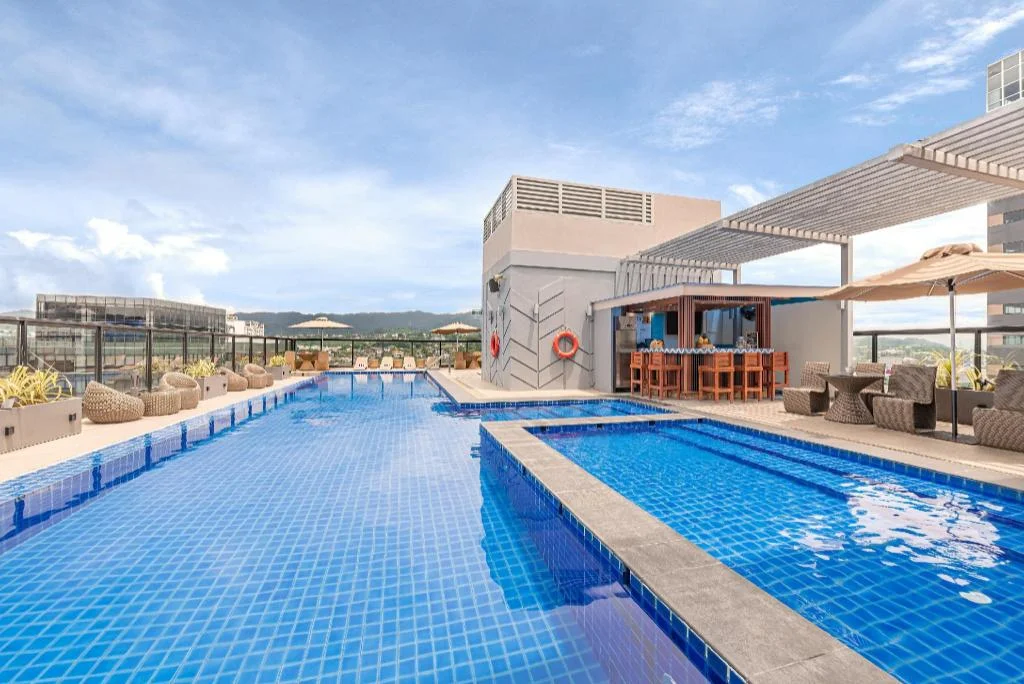
Seda Central Bloc Cebu City
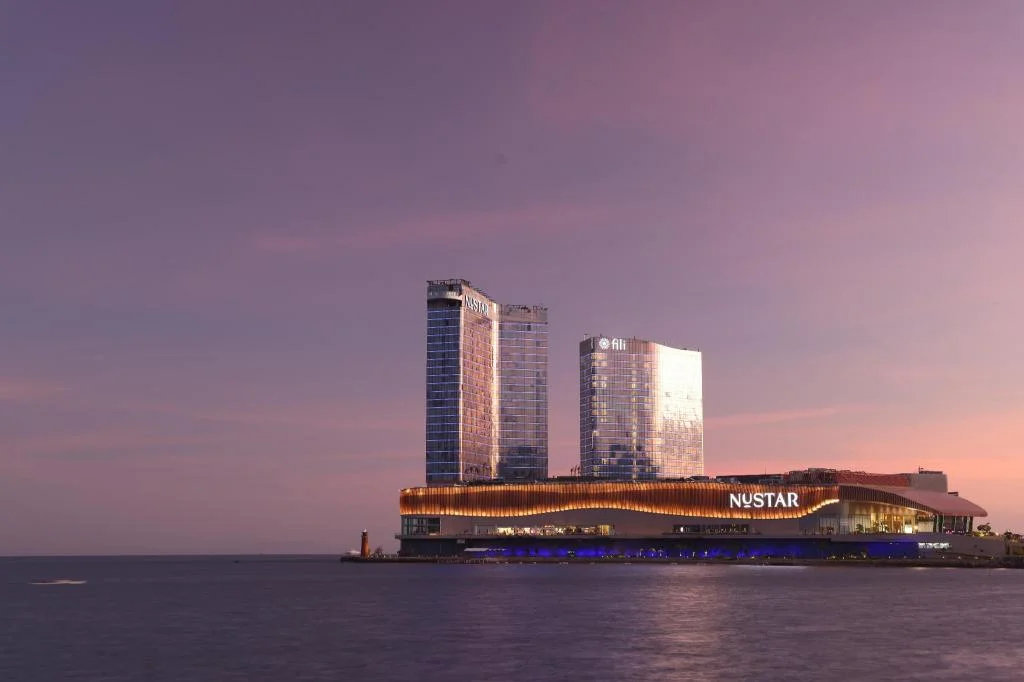
Fili Hotel - NUSTAR Resort & Casino Cebu
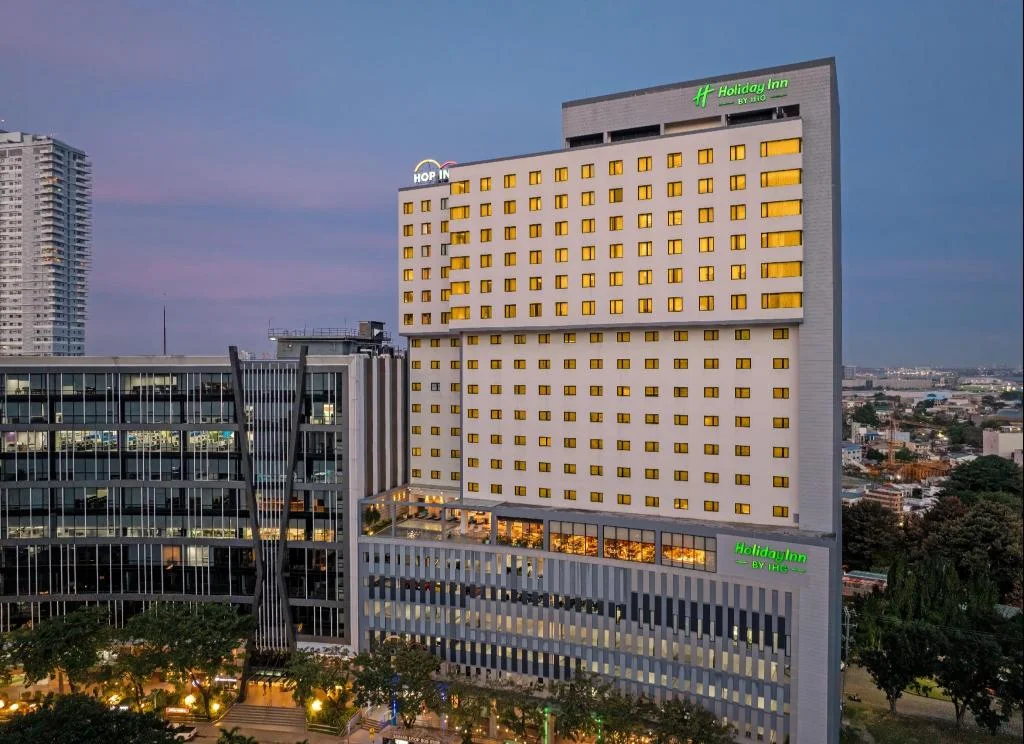
Holiday Inn Cebu City By IHG
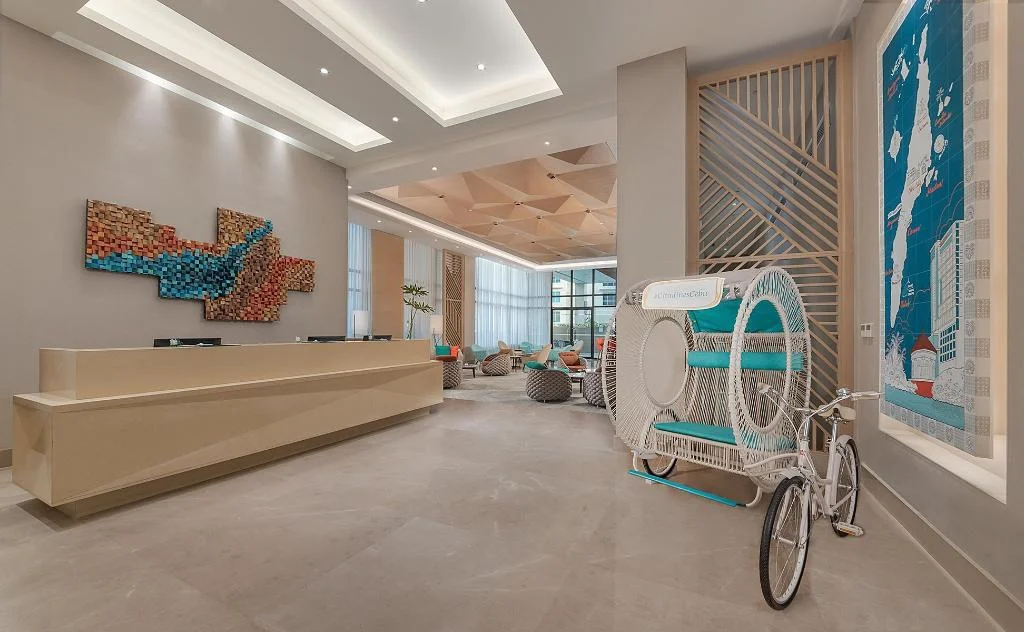
Citadines Cebu City
Prefer a rental? Vacation rentals near Cebu City
Self-catering condos and apartments — book the exact unit, kitchen included.
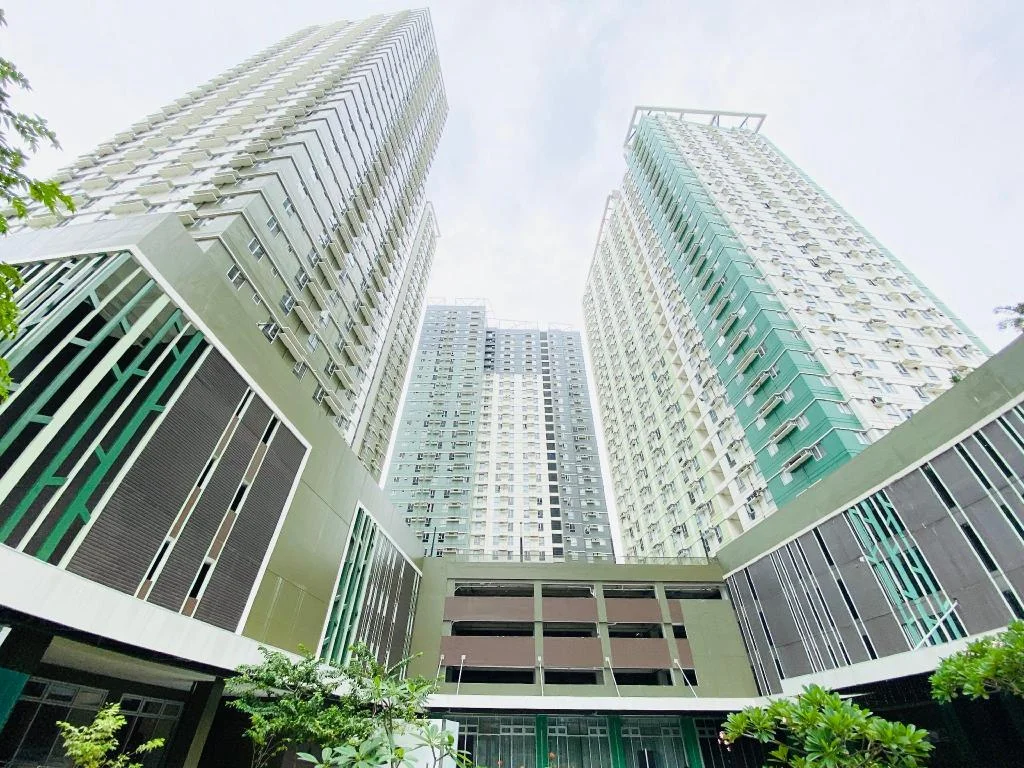
Cebu Avida Riala by P&J

Special Big Loft Unit w/Fibreop Internet & Netflix
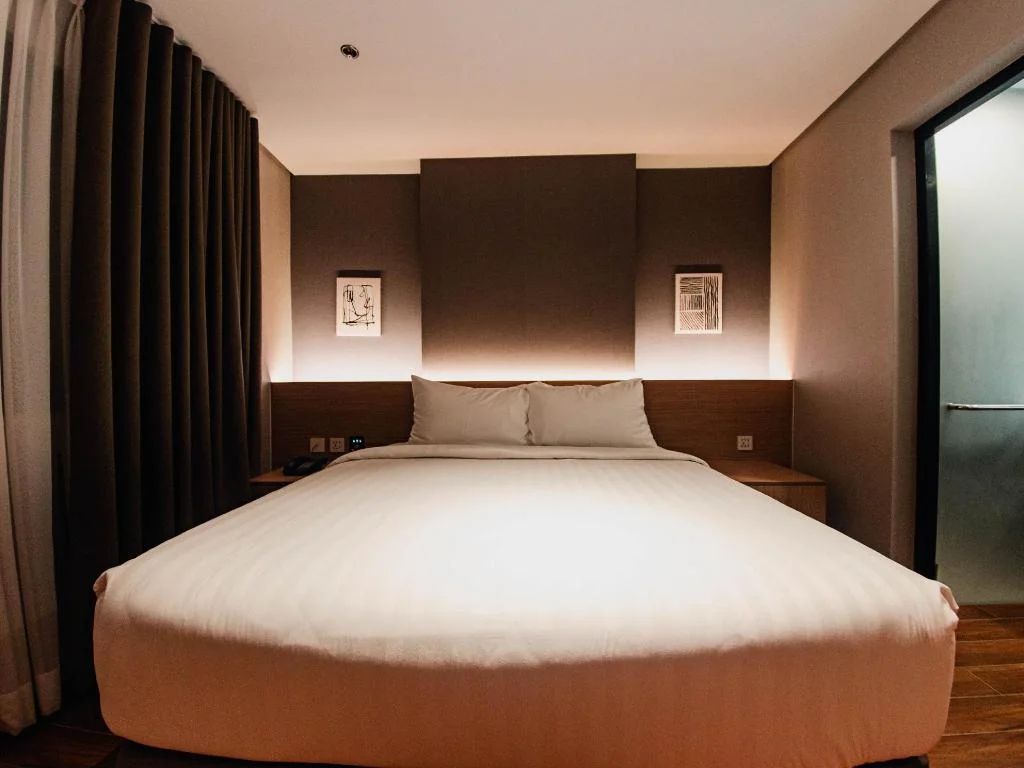
Moonstar Cebu Hotel - Deluxe Room
Before you go
Frequently asked
What are the basic Sinulog dance steps?
What does 'Pit Señor' mean?
What is the kuratsa, and when will travelers actually see it?
Is 'Usahay' actually a Cebuano song?
Who is Max Surban?
Where can travelers hear live Cebuano music and see traditional dance?
What's the difference between balitaw and harana?
Are Mactan's handmade guitars connected to Cebu's music traditions?
More Places to Explore
Basilica del Santo Niño
Cebu City
The oldest church in the Philippines (1565), home to the miraculous Santo Niño image and center of the famous Sinulog Festival.
Heritage of Cebu Monument
Cebu City
A dramatic sculptural tableau by Eduardo Castrillo depicting key moments in Cebu's history, from Magellan's arrival to modern times.