
TL;DR: A typical consumer drone (DJI Mini, Air, Mavic — under 7kg) needs no CAAP registration for recreational flying; that only kicks in at 7kg+, per CAAP’s own site — not the “250g/₱1,000” myth common online. Stay under 400ft, daylight only, clear of the 10km airport no-fly buffer. Verified against CAAP’s site, July 2026.
If you’re packing a drone for sunrise shots over Tops Lookout or the blue water at Kawasan Falls, the honest answer to “do I need a permit?” depends on where in Cebu you’re standing, not just what CAAP says nationally. Drone rules here get repeated inconsistently across travel blogs — including a specific weight/fee figure that doesn’t match what the Civil Aviation Authority of the Philippines (CAAP) publishes on its own site. Location matters too: Cebu City itself has no active local drone ordinance (a 2023 version was vetoed), but Mandaue and Lapu-Lapu City (which covers Mactan) both layer their own permit rules on top of CAAP’s national ones. This guide sticks to what CAAP, city ordinances, and news reporting actually confirm, flags what we couldn’t verify, and gives you a straight answer on flying as a tourist rather than a commercial operator.
Drone Rules in Cebu at a Glance
| Rule | What it means for a tourist | Source |
|---|---|---|
| CAAP registration | Required only for non-commercial drones 7kg+ (fee ₱1,500 + 12% VAT); consumer drones are exempt | CAAP |
| Altitude ceiling | Max 400ft AGL without a Special Flight Permit | CAAP |
| Flight hours | Daylight only, visual line of sight; no night flying without a permit | CAAP (MC-010-2024) |
| Airport buffer | No-fly within roughly 10km of an Airport Reference Point (Mactan-Cebu Intl. included) without a Special Flight Permit | CAAP MC-026-2025 |
| Cebu City | No active local ordinance — a 2023 ordinance was vetoed; national CAAP rules apply | Cebu City Council records; mayoral veto |
| Mandaue City | Mayor’s office permit required, with flight-hours, insurance, and clean-record conditions | City ordinance reporting, Dec. 2025 |
| Lapu-Lapu City / Mactan | Standing ordinance (since 2022) covering drones, kites, and lasers; enforcement tightens around major events | City ordinance reporting |
Verified July 2026 against CAAP’s own published pages and news reporting on local ordinances. Rules and fees change — confirm directly with CAAP (caap.gov.ph) and the relevant city hall before you fly.
Do I Need to Register My Drone to Fly It in the Philippines?
Only if it weighs 7kg or more for non-commercial use — that’s the threshold CAAP itself publishes, and it’s a very different number from what circulates on drone-enthusiast blogs. CAAP’s registration page states that all commercial drone operations must register regardless of weight, but for non-commercial (recreational) flying, registration is required specifically for large RPAs weighing 7kg or more, including custom-built kit drones, with a registration fee of ₱1,500 plus 12% VAT. A consumer drone — a DJI Mini, Air, or Mavic — sits nowhere near that weight, so under CAAP’s own published rules, it’s exempt from registration for recreational use.
That contradicts a “250 grams / ₱1,000 fee” figure that shows up repeatedly across drone-blog roundups of Philippine rules. We checked CAAP’s own site directly and found no such threshold; the 250g figure lines up suspiciously well with US FAA registration rules, suggesting some sites have simply copied American regulations onto a Philippines-focused article. Don’t rely on that figure — confirm current thresholds and fees directly at CAAP’s RPA registration page before you fly, since aviation rules do get revised.
Registration exemption doesn’t mean a free-for-all, though. CAAP still requires a Special Flight Permit for specific situations regardless of a drone’s weight or commercial status: night flying, beyond-visual-line-of-sight (BVLOS) operation, flying within roughly 10km of an airport, and flying over populated areas or crowds. Those are the rules that actually govern a tourist’s day-to-day flying in Cebu, not registration.
Can I Bring My DJI Drone to Cebu as a Tourist?
Yes, in practical terms — no official CAAP or Bureau of Customs process was found requiring a tourist to pre-register or formally declare a personal, sub-7kg drone before flying it recreationally in the Philippines. Pack it like any other electronics. What you can’t skip are the operating rules that apply to everyone regardless of nationality or registration status: stay under 400ft, fly only in daylight within visual line of sight, and don’t fly within the no-fly buffer around any airport — a detail worth reading twice if you’re staying anywhere in Mactan or Lapu-Lapu, since the international airport sits right there.
If you’re being paid for the footage — a sponsored post, a commercial shoot, content for a tour operator — you’re in a different category entirely. CAAP classifies any paid drone operation as commercial, which requires a Remote Pilot Licence regardless of the drone’s weight. That’s a materially higher bar than the recreational rules in this guide, so don’t assume a “tourist” framing covers monetized content.
Does Cebu City Have Its Own Drone Ordinance?
No — and this is worth stating plainly because a 2023 local ordinance gets cited online as if it’s currently in force. Cebu City Council passed an ordinance regulating drones within city limits on October 4, 2023, which would have required CAAP registration and certification for any drone flown in the city, banned flying above 400ft or within 100ft of people, and set mayor’s-permit fees. Mayor Michael Rama vetoed it in a letter dated October 19, 2023, arguing parts of the ordinance were “ultra vires” — beyond the city government’s legal authority, since it tried to impose controller-certificate requirements stricter than the national 7kg threshold. No replacement ordinance has passed as of this writing. The practical result: fly within Cebu City proper and you’re governed by CAAP’s national rules, not a city-specific permit.
What About Mandaue and Lapu-Lapu (Mactan)?
This is where it gets genuinely more complicated than “Cebu is one city.” Mandaue City enacted an ordinance, reported in late December 2025, requiring drones to be CAAP-registered and requiring a mayor’s office permit before flying — with conditions that include proof of training, at least five logged flight hours, valid insurance, and a clean record over the prior five years. The ordinance also bans kite-flying and free balloon releases citywide, citing the area’s proximity to Mactan-Cebu International Airport.
Lapu-Lapu City, which covers Mactan Island — home to the airport and most of Cebu’s big beach resorts — has had its own standing ordinance regulating drones, kites, lasers, and balloons since 2022. Enforcement gets visibly tighter around specific events: ahead of the 48th ASEAN Summit held in the city in May 2026, authorities enforced a citywide no-fly period for kites and drones from late April into mid-May 2026, with fines of ₱5,000 plus confiscation for drones. That was a temporary, event-driven crackdown layered on top of the underlying standing ordinance — not evidence the rule itself is new.
The honest practical takeaway: a walk-in tourist realistically can’t obtain Mandaue’s or Lapu-Lapu’s permit conditions — logged flight hours, insurance, a clean-record check — in the timeframe of a normal holiday. If your trip is centered on a Mactan resort, treat casual drone flying there as a genuine legal gray area rather than something CAAP’s national exemption alone covers, and consider that CAAP’s own airport buffer (below) already restricts a large share of Mactan’s airspace regardless of city ordinances.
Where Are Cebu’s No-Fly Zones?
The clearest, best-documented no-fly zone is the airport buffer. CAAP Memorandum Circular No. 026-2025, covering “Prohibition of Hazardous Activities within Airport Vicinities and Operational Areas,” restricts drones (and kites, balloons, and lasers) within roughly 10km of an Airport Reference Point without a Special Flight Permit — issued after a string of drone sightings disrupted flights near Manila’s NAIA in 2025. Because Mactan-Cebu International Airport sits on Mactan Island, that 10km radius covers a substantial share of the island’s resort strip, independent of any city-level ordinance.
Beyond the airport, we could not confirm any official LGU ordinance or CAAP notice specifically banning drones at Oslob’s whale shark area, Kawasan Falls, Magellan’s Cross, or Malapascua — the “no drones here” claims you’ll find for these spots online trace back to tour-operator policy or travel-blog advice, not published law. That doesn’t make them safe to ignore. Oslob’s boats work in tight formation close to swimmers and whale sharks, Kawasan’s canyoneering route runs through a narrow, crowd-packed gorge, and Magellan’s Cross sits inside an active religious and civic space — all situations where CAAP’s own rule against flying over crowds applies regardless of location-specific signage. Temple of Leah, a private attraction, is known to allow drones with permission requested on-site rather than as a walk-up default — treat every private site the same way.
How to Fly Legally and Respectfully in Cebu
Confirm current CAAP thresholds and fees directly at caap.gov.ph before your trip — aviation rules get revised, and this guide’s numbers reflect what was published as of July 2026. Keep your drone under 400ft, fly only in daylight, and give any airport a wide berth — 10km is a genuinely large radius on a small island, so map it against your route rather than eyeballing it. Ask before you fly over private property, religious sites, or organized tours, and never fly directly over a crowd. If you’re basing yourself in Mandaue or on Mactan, budget for the possibility that a strict reading of local ordinance means you shouldn’t fly casually at all — the safest legal position is to keep the drone grounded in those two jurisdictions unless you can actually meet their permit conditions.
The Honest Take
Cebu’s drone rules aren’t as simple as the “under 250 grams, you’re fine” line that gets repeated across the internet — that figure doesn’t hold up against CAAP’s own published thresholds. The real picture is a national rule that’s fairly permissive for casual tourists (no registration below 7kg), layered under a patchwork of city-level rules that range from nonexistent (Cebu City, after the 2023 veto) to genuinely restrictive (Mandaue and Lapu-Lapu). No official source directly addresses what happens to an ordinary tourist who flies without knowing the local layer exists, and we won’t guess at enforcement odds we can’t verify — but “no ordinance in Cebu City” doesn’t mean “no ordinance in Cebu the island,” and that distinction is exactly where casual travelers get caught out.
Sources
- CAAP — RPAS Regulations
- CAAP — RPA Registration
- CAAP — Types of Operations
- CAAP Memorandum Circular No. 026-2025 — Prohibition of Hazardous Activities within Airport Vicinities and Operational Areas
- Cebu Daily News — Cebu City Council passes drone ordinance, October 2023
- SunStar Cebu — Mayor Rama vetoes Cebu City drone ordinance, November 2023
- Manila Times — Mandaue City drone and airspace-safety ordinance, December 2025
- Philippine Information Agency — Lapu-Lapu City no-fly enforcement ahead of ASEAN Summit 2026
Verified July 2026 against CAAP’s own site and named news reporting. Aviation and local-ordinance rules change; confirm current thresholds, fees, and permit requirements with CAAP and the relevant city hall before you fly. If you’re new to Cebu and want the fuller photography rundown — including golden-hour timing and gear tips — see our Cebu for photographers guide, and pair your trip planning with our Mactan-Cebu airport guide and Is Cebu safe for tourists guide.
Book Tours & Hotels for This Trip
Find and book the best deals — prices and availability update in real time. Links open in a new tab.
Where to stay near Cebu City
Top-rated hotels for this trip — tap through to check live rates.
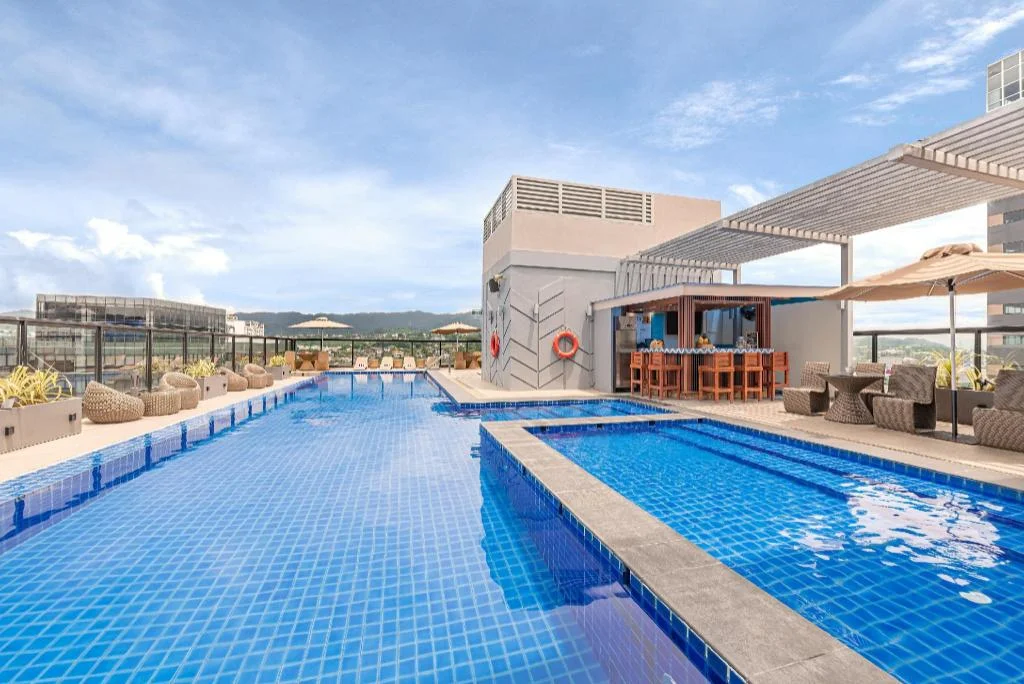
Seda Central Bloc Cebu City
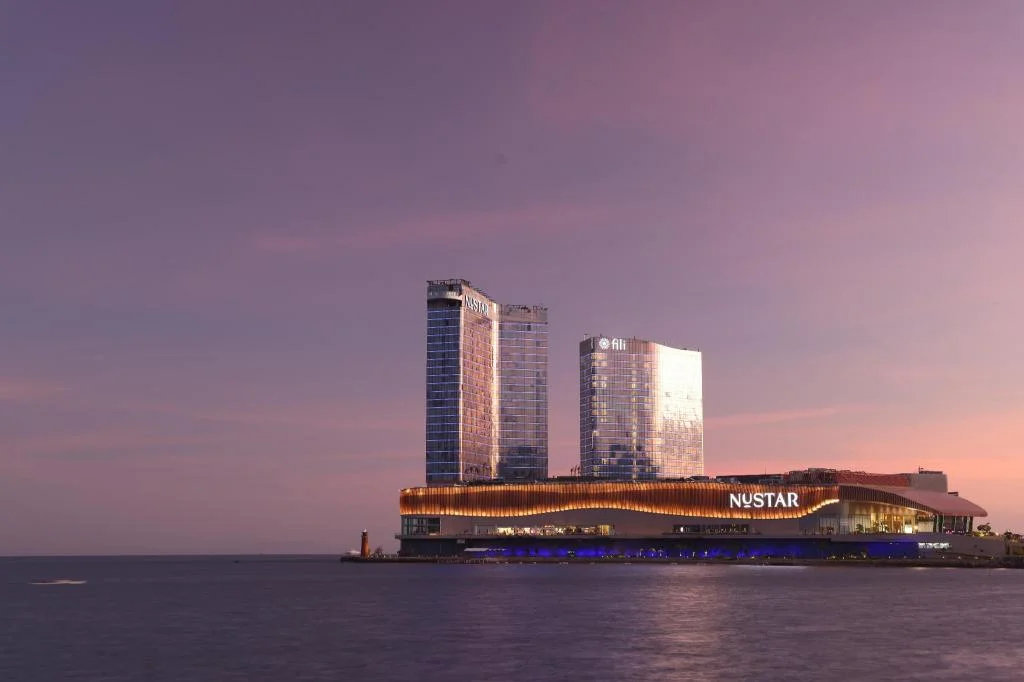
Fili Hotel - NUSTAR Resort & Casino Cebu
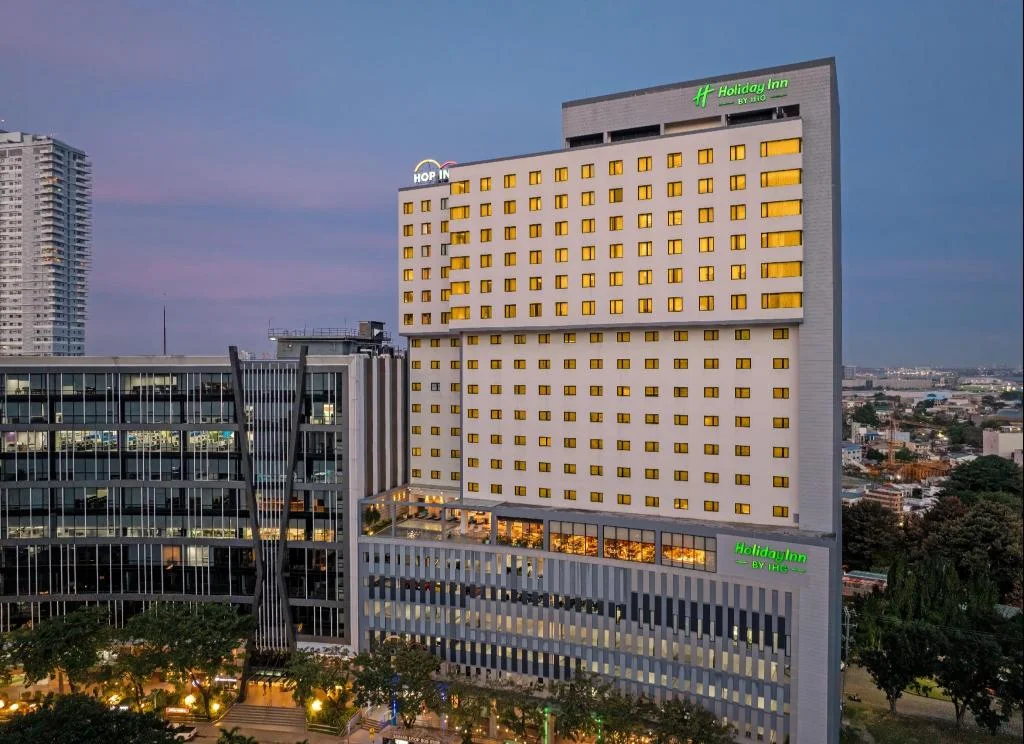
Holiday Inn Cebu City By IHG
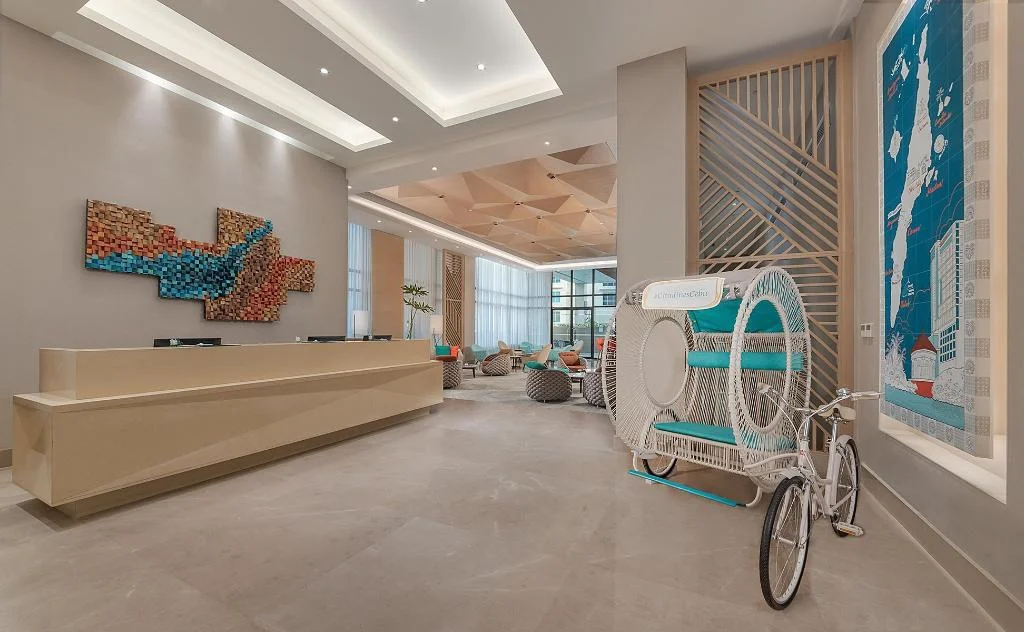
Citadines Cebu City
Prefer a rental? Vacation rentals near Cebu City
Self-catering condos and apartments — book the exact unit, kitchen included.
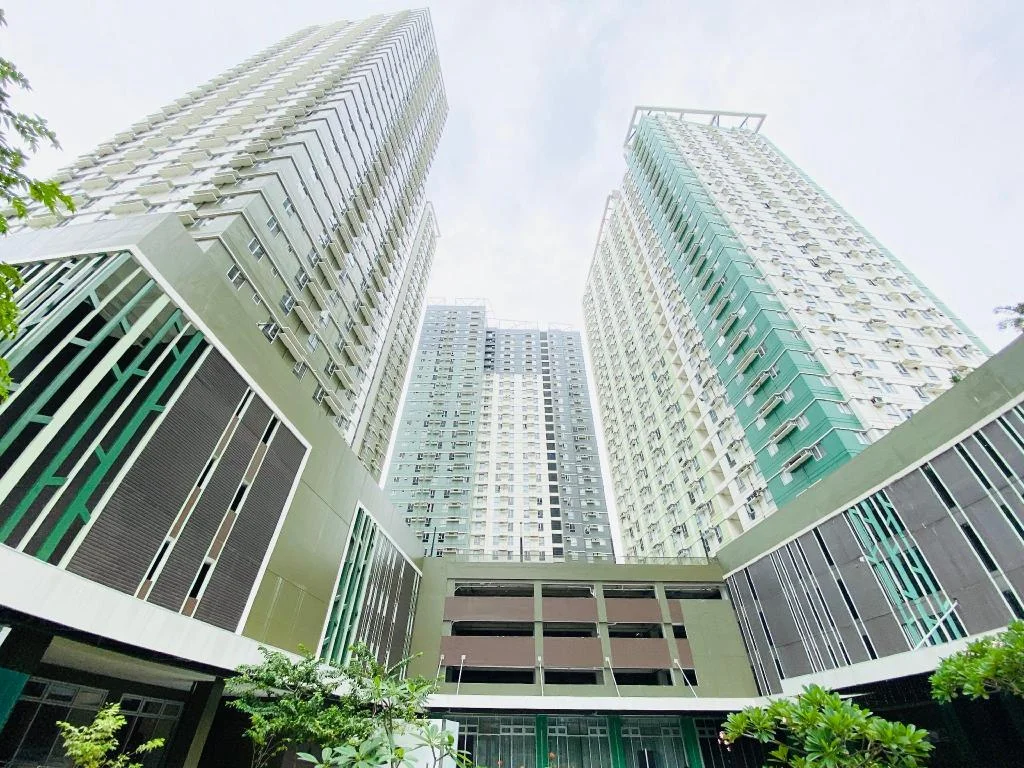
Cebu Avida Riala by P&J
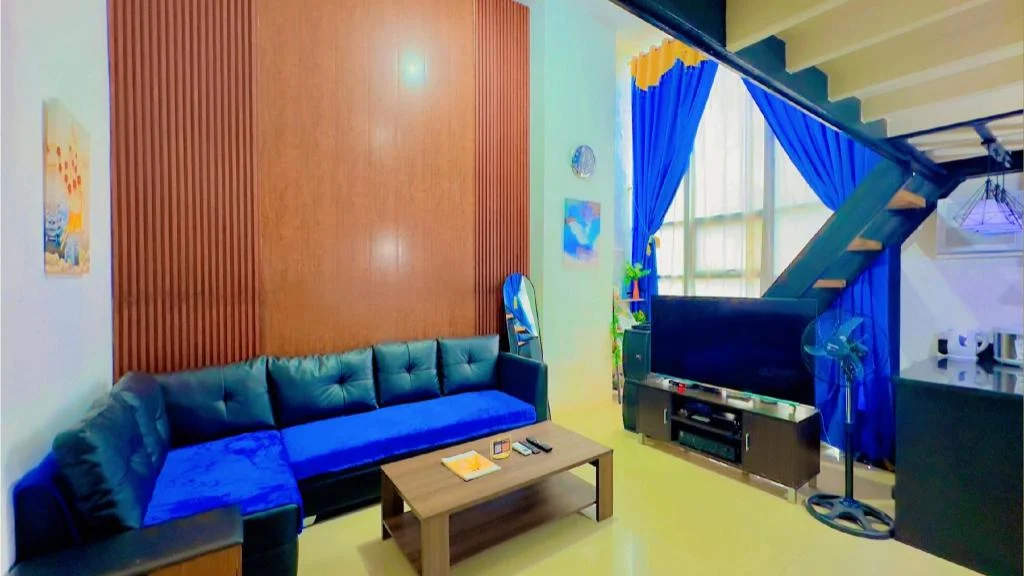
Special Big Loft Unit w/Fibreop Internet & Netflix
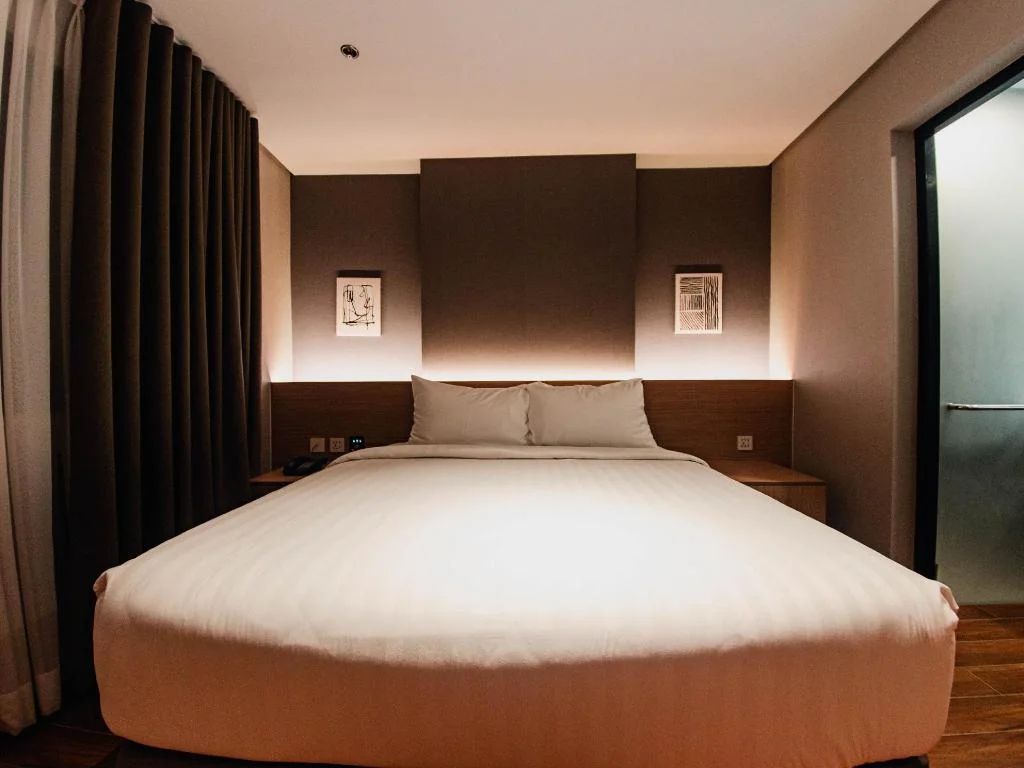
Moonstar Cebu Hotel - Deluxe Room
Before you go
Frequently asked
Do I need to register my drone to fly it in Cebu?
Can I bring my DJI drone to Cebu as a tourist without any paperwork?
Does Cebu City have its own drone ordinance?
Do Mandaue and Lapu-Lapu have different drone rules than Cebu City?
Where are the no-fly zones for drones in Cebu?
Can I fly a drone at Kawasan Falls or over the Oslob whale sharks?
What happens if I fly a drone without registering it in the Philippines?
Is flying a drone for paid content or sponsored posts different from personal use?
More Places to Explore
Temple of Leah
Cebu City
A magnificent Roman-inspired temple built as a monument of love, nicknamed 'Cebu's Taj Mahal,' offering stunning architecture and city views.
Tops Lookout
Cebu City
Cebu City's premier hilltop viewpoint offering stunning panoramic views of the city, especially spectacular at sunset and nighttime.
Kawasan Falls
Badian
A stunning three-tiered waterfall famous for its turquoise waters, bamboo raft rides, and as the endpoint of the famous Badian canyoneering adventure.