
TL;DR: Cebu’s dive scene splits into distinct pockets: Malapascua in the north (thresher sharks at Kimud Shoal, sea snakes at Gato Island), Moalboal in the southwest (Pescador Island’s cave and wall, the shore-accessible sardine run, turtle cleaning stations), Mactan (easy house-reef dives if you’re already based there), and Sumilon Island near Oslob. Expect ₱1,200–2,300 (US$21–40) per fun dive plus equipment and park fees, with most sites open to Open Water divers and a handful of advanced-only caves and walls below 28 meters. Verified July 2026.
Cebu isn’t one dive destination — it’s four or five, spread across a province long enough that no single base gets you to all of them. This guide ranks the specific sites worth building a trip around: the ones with a real “why here” rather than generic reef. If you want the single best all-round overview of the province’s diving, start with our complete Cebu diving guide; this piece goes narrower, site by site, so you can decide which pocket of Cebu actually matches what you want to see. Most people base themselves near either Malapascua Island or Moalboal for a dedicated dive trip, since the two are roughly 4–5 hours apart by road and best treated as separate legs rather than day trips from each other.
Cebu’s Best Dive Sites at a Glance
| Site | Highlight | Level |
|---|---|---|
| Kimud Shoal (Malapascua) | Thresher sharks, daily cleaning station | Open Water+ (early, some current) |
| Gato Island (Malapascua) | Sea snake sanctuary, cave tunnel | Open Water (reef) / Advanced (tunnel) |
| Pescador Island (Moalboal) | Cathedral cave, sheer wall, turtles | Open Water (shallow) / Advanced (cave floor) |
| Moalboal Sardine Run (Panagsama) | Millions of sardines, shore-accessible | Beginner / snorkel-friendly |
| Turtle Point / Talisay Wall (Moalboal) | Resident green & hawksbill turtles | Open Water |
| Kontiki Reef & Marigondon Cave (Mactan) | Easy house reef; advanced cave + wall | Beginner (Kontiki) / Advanced (cave) |
| Sumilon Island (Oslob) | First marine sanctuary in the Philippines, sharks | Open Water |
| Cabilao Island (Bohol, add-on) | Seahorses, macro life, wall | Open Water |
Prices and conditions verified against current operator listings. Confirm site access and pricing locally before you book. Verified July 2026.
What’s the Best Cebu Dive Site for Thresher Sharks?
Kimud Shoal, off Malapascua, is the place — it’s one of the only spots on earth with a daily, reliable thresher shark encounter. Threshers used to clean at nearby Monad Shoal, but the sharks shifted to Kimud Shoal a few years ago after tiger sharks started showing up at Monad; most Malapascua operators now run Kimud as the default shark dive. The sharks arrive at a cleaning station roughly 18–30 meters down, so you need an early boat (most leave the beach around 5 a.m. to catch the dawn window) and at least Open Water certification — the site itself isn’t technically hard, but the depth and pre-dawn start make it feel more serious than a typical reef dive.
Expect to pay ₱1,300–2,300 per dive (about US$22–40) depending on the operator, plus equipment rental (₱300–400) and a marine park/conservation fee of roughly ₱300–700 per person per day. Rates vary meaningfully between shops — get a specific quote before you book, and treat any number here as a starting point rather than a locked-in price. For the full logistics of getting to Malapascua and picking an operator, see our thresher shark diving guide.
What About Gato Island’s Sea Snakes and Tunnel?
Gato Island is Malapascua’s other signature dive — a marine reserve about an hour’s boat ride away, known for banded sea snakes and a swim-through tunnel. It’s usually sold as a half-day or full-day add-on rather than a standalone dive, often paired with a Kimud Shoal or Monad Shoal dive in the same trip. Above the tunnel, the reef sites (Whitetip Alley, Nudibranch City) are approachable for Open Water divers; the tunnel itself is a different story — a roughly 30-meter overhead swim-through that most operators restrict to Advanced Open Water divers with 30-plus logged dives, given the depth and the current that can build up around the island.
Pricing is bundled into day-trip packages that vary by operator (some quote per-dive rates as low as ₱1,200–1,300, others charge a flat day rate including lunch and boat fuel) — confirm the total with your Malapascua dive shop before committing, since Gato’s distance adds a fuel surcharge on top of the base dive rate at most centers.
Is Pescador Island Worth the Hype?
Yes — it’s the single most-dived site out of Moalboal for good reason, combining a cave, a wall, and reliable turtles in one small island. Pescador Island sits about 15 minutes by pumpboat from Panagsama Beach and drops to walls over 60 meters, but most of what divers come for sits in recreational range. The Cathedral is a vertical chimney cave with its entrance around 28 meters, where sunlight filters down through a narrow chamber lined with soft coral and sponges — striking, but that depth puts the cave floor itself in Advanced territory. Shallower sections of the same island are much more forgiving: the northeast side is a genuine turtle hotspot, with operators reporting over a dozen green and hawksbill turtles on a single dive, and frogfish and moray eels turn up reliably along the slopes.
Moalboal operators generally charge ₱1,200 for a shore dive, ₱1,400–1,600 for a boat dive (roughly US$21–28), on top of a small Pescador marine park entry fee (around ₱100, or US$2, per dive). Prices exclude equipment rental, typically ₱300/day. For a deeper breakdown of Moalboal’s dive sites and how to structure a multi-day trip, see our Moalboal diving guide.
What’s the Deal With the Moalboal Sardine Run?
It’s a shore-accessible ball of millions of sardines that hangs a short swim off Panagsama Beach — no boat, no certification, and often no scuba tank required. Unlike South Africa’s seasonal sardine run, the Moalboal sardine run is a year-round resident phenomenon, not a migration — the same shoal circles roughly the same patch of water off Panagsama Beach most days. That makes it the rare world-class marine spectacle you can experience with just a mask and fins, which is why Moalboal’s day-tripper crowd has grown so much in recent years. Divers get more out of it than snorkelers, since you can drop below the shoal and watch the light break through the moving wall of fish, but even a 20-minute snorkel is genuinely memorable.
There’s no separate entrance fee for the sardine run itself if you’re swimming from shore; boat trips out to the deeper edge of the shoal typically run alongside a regular Panagsama dive booking. Our sardine run guide covers timing and whether it’s better by boat or by shore.
Where Do You See Turtles in Moalboal?
Talisay Wall — also called Turtle Point — is your best bet, with a resident population of green and hawksbill turtles feeding along a steep coral wall a short boat ride from Panagsama. The site drops through a series of vertical canyons and small cathedral-like caves, and alongside the turtles you’ll typically see lionfish, cuttlefish, ghost pipefish, and the occasional barracuda passing along the wall. It’s a manageable Open Water dive with a guide, not a technical site. For a shallower, easier option in the same stretch of coast, the Airplane Wreck dive site sits close to shore and suits newer divers or those working through a certification course.
Are Mactan’s House Reefs Worth Diving If You’re Already on the Island?
Yes for convenience, not for a dedicated dive trip — Kontiki Reef is a genuinely easy, photogenic house reef, but you’d fly past better sites to get there. If you’re staying in Mactan for the resorts or the airport and want to squeeze in a dive without traveling south, Kontiki Reef is shallow, calm, and stacked with macro subjects — nudibranchs, seahorses, crabs — around an artificial reef structure from a sunken giant clam shell. It’s a solid Discover Scuba or Open Water course site.
Mactan’s other headline site, Marigondon Cave, is a completely different proposition: a cave with its roof around 29 meters and floor near 40 meters, often with strong current at the entrance, restricted to advanced and experienced divers only. Divers who make it through typically drift out along what locals call the Christmas Tree Wall, a coral- and gorgonian-covered wall considered one of the most scenic stretches of reef around Mactan. See our Mactan dive sites guide for the full site list, including the marine sanctuaries around Olango and Hilutungan.
Should You Add Sumilon Island to an Oslob Trip?
Worth it if you’re already down south for the whale sharks — Sumilon was the Philippines’ first marine sanctuary, established in 1974, and it still delivers. Sumilon Island sits about 20 minutes by boat off Oslob’s Bancogon pier, with regular departures through the day. Its four named dive sites (Garden Eel Plaza, Nikki’s Wall, Coral Landscape, and Julie’s Rock) are mostly coral gardens sloping down to sand, approachable for Open Water divers, with blacktip and occasional whitetip reef sharks turning up along the drop-offs. Currents can pick up around full and new moon, so ask your operator about conditions on the day.
Getting onto the island runs roughly ₱1,500 (US$26) per boat plus a small per-person environmental fee, separate from your dive booking — most divers arrange the whole trip through an Oslob-based operator rather than paying island fees separately. Our Sumilon Island guide has the full access and boat-schedule details.
Is Cabilao (Bohol) Worth a Detour From Cebu?
Only if you’re already island-hopping toward Bohol — Cabilao isn’t in Cebu, but it’s close enough that some Cebu-based divers treat it as a bonus stop. Cabilao sits across the Cebu Strait, roughly 45 minutes by boat from Panglao, and is known for a rich marine sanctuary stacked with seahorses, pipefish, and other macro life divers travel specifically to photograph. It doesn’t fit neatly into a Cebu-only itinerary — you’d need to cross to Bohol first — so weigh it as an extension of a Cebu-Bohol combined trip rather than a stop on its own.
How Do You Choose Between These Sites?
Match the site to your certification level and what you actually want to see, not the other way around. If you’re chasing a specific animal — thresher sharks, sardines, turtles, sea snakes — that decision alone usually settles your base (Malapascua or Moalboal). If you’re a newer diver, lean toward Kontiki Reef, the shallower parts of Pescador, and Sumilon’s coral gardens; save Marigondon Cave, Gato’s tunnel, and Pescador’s Cathedral floor for once you’ve logged more advanced dives. And if your schedule is tight, remember Malapascua and Moalboal are a half-day’s travel apart — pick one as your main base for a short trip rather than trying to rush both.
The Honest Take
Cebu’s diving is genuinely world-class in patches, but it isn’t wall-to-wall — a lot of reef between the highlight sites has been affected by decades of coastal development and, in places, past dynamite fishing, so don’t expect every dive to look like the marketing photos. Kimud Shoal and Pescador Island earn their reputations; they’re consistently good. The sardine run is arguably overhyped for snorkelers who show up expecting a private encounter — on a busy day you’ll share the water with dozens of other snorkelers and dive boats, and the shoal can thin out or move if you catch an off day. Peak season (March–June) means the best visibility but also the most crowded boats and the highest prices; shoulder months trade a little visibility for a lot more elbow room. If you only have time for one dive area, choose based on the single animal or scene you actually want to see, book with an established operator rather than the cheapest boat on the beach, and confirm rates directly since prices shift year to year.
Plan the Rest of Your Trip
Pair a Malapascua dive trip with the north coast, or combine Moalboal’s sites with a swing through Oslob’s whale sharks and Kawasan Falls on the same southern loop. If you’re not yet certified, look into PADI courses in Cebu before you go — several Moalboal and Mactan operators can get you Open Water certified in three to four days. Ready to book? Compare dive and island-hopping tours in Cebu on Klook or search Moalboal accommodation on Agoda if you’re basing yourself there for a multi-day dive trip. For thresher shark day trips specifically, browse Malapascua diving packages on Klook.
Sources
- Thresher Shark Divers — Malapascua dive prices
- Malapascua Diving — Kimud Shoal thresher shark information
- Moalboal Dive Center — fun diving rates
- Philippine Dives — Pescador Island dive guide
- Savedra Dive Center — diving Sumilon Island
- DiveScotty — Mactan and Cebu dive sites, Marigondon Cave
- Operator listings for Gato Island and Cabilao cross-checked against PADI Adventures and Bohol dive-site guides. Verified July 2026.
Book Tours & Hotels for This Trip
Find and book the best deals — prices and availability update in real time. Links open in a new tab.
Where to stay near Moalboal
Top-rated hotels for this trip — tap through to check live rates.
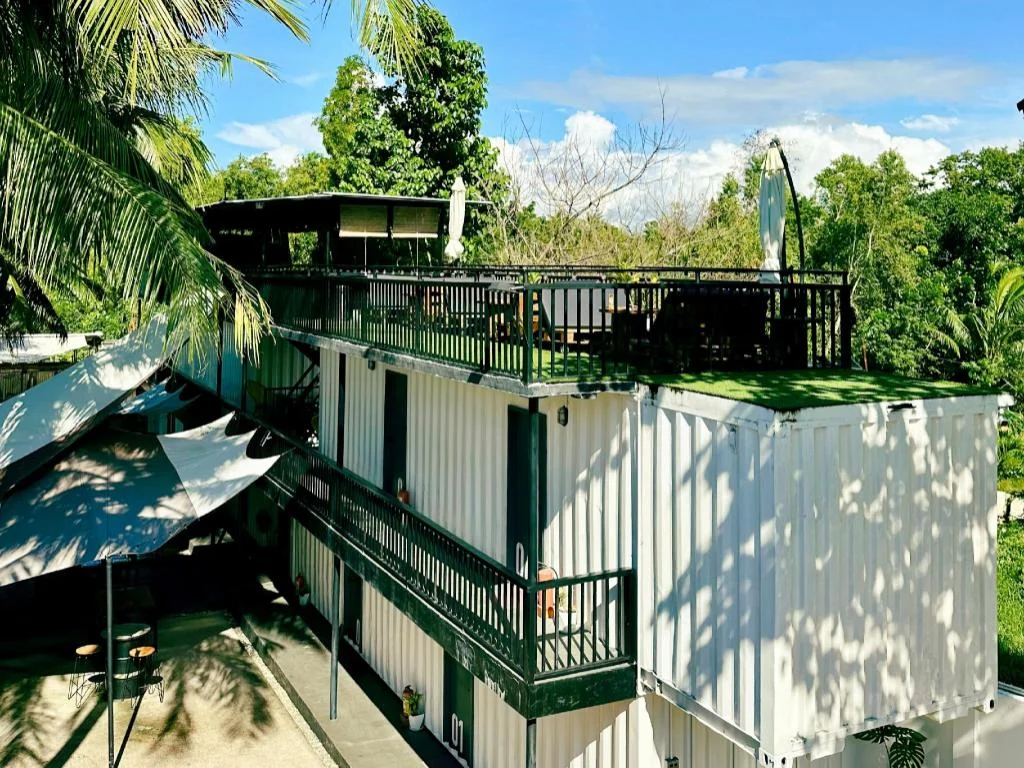
PIG DIVE HOSTEL MOALBOAL
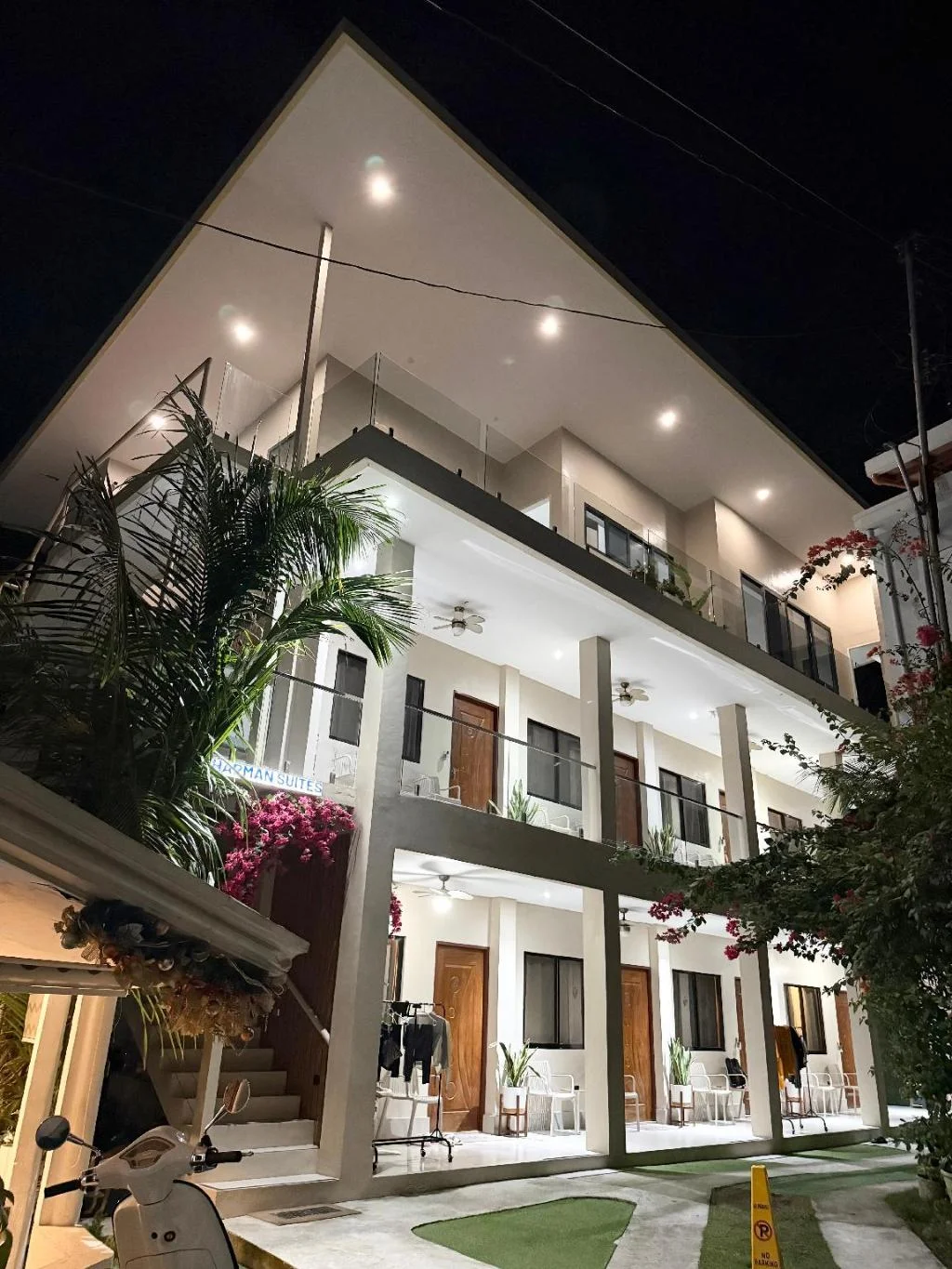
Harman Suites Moalboal
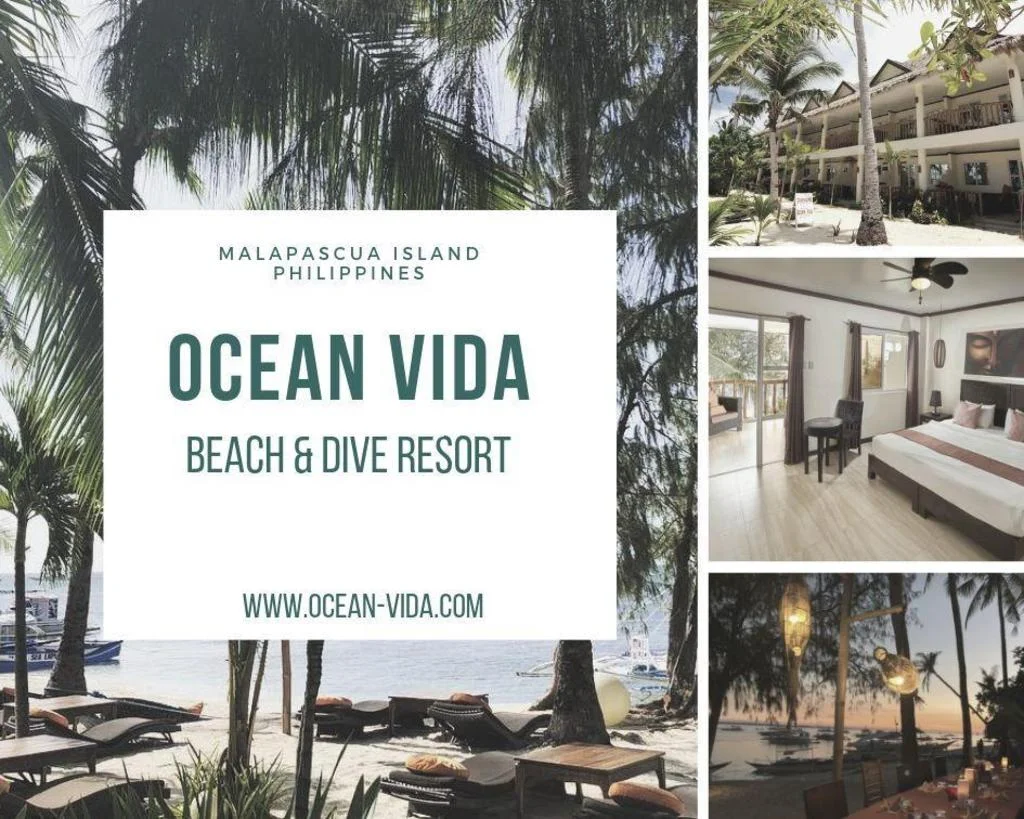
Ocean Vida Resort
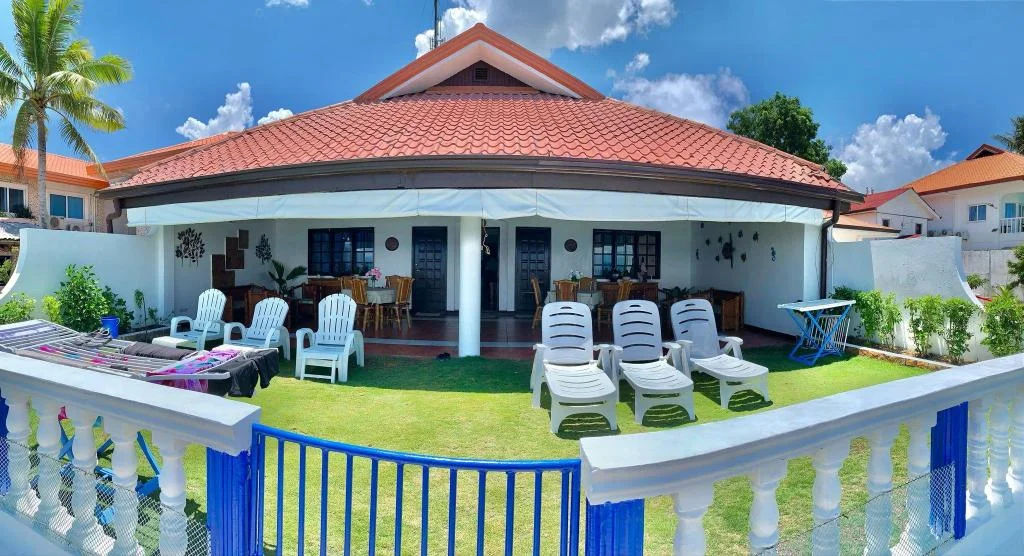
Il Sogno Resort
Prefer a rental? Vacation rentals near Moalboal
Self-catering condos and apartments — book the exact unit, kitchen included.
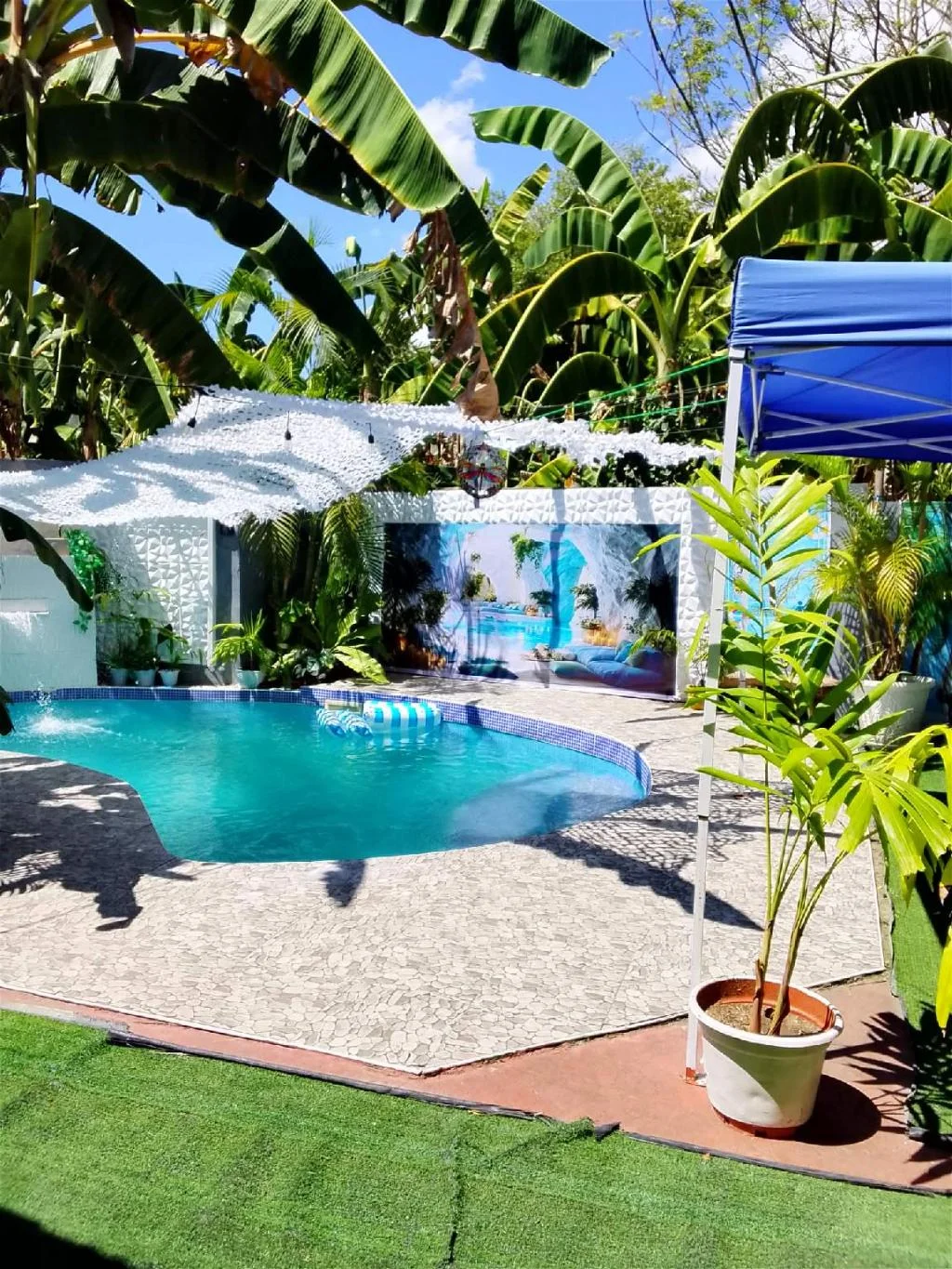
Two crazy monkeys
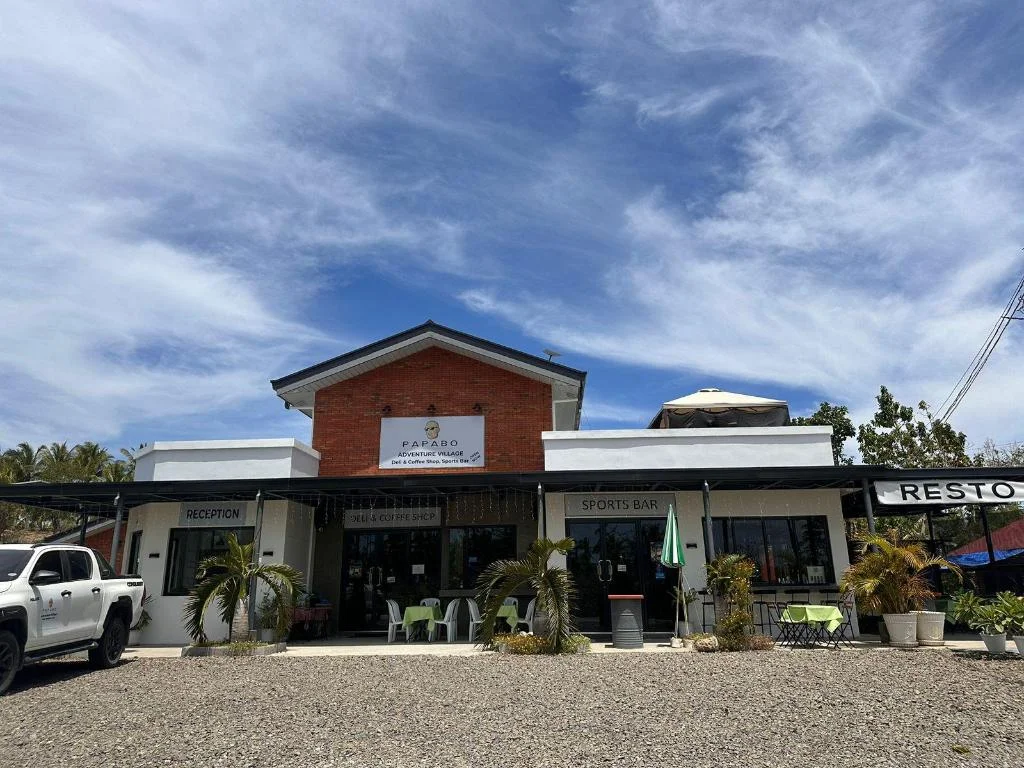
PAPABO Adventure Village
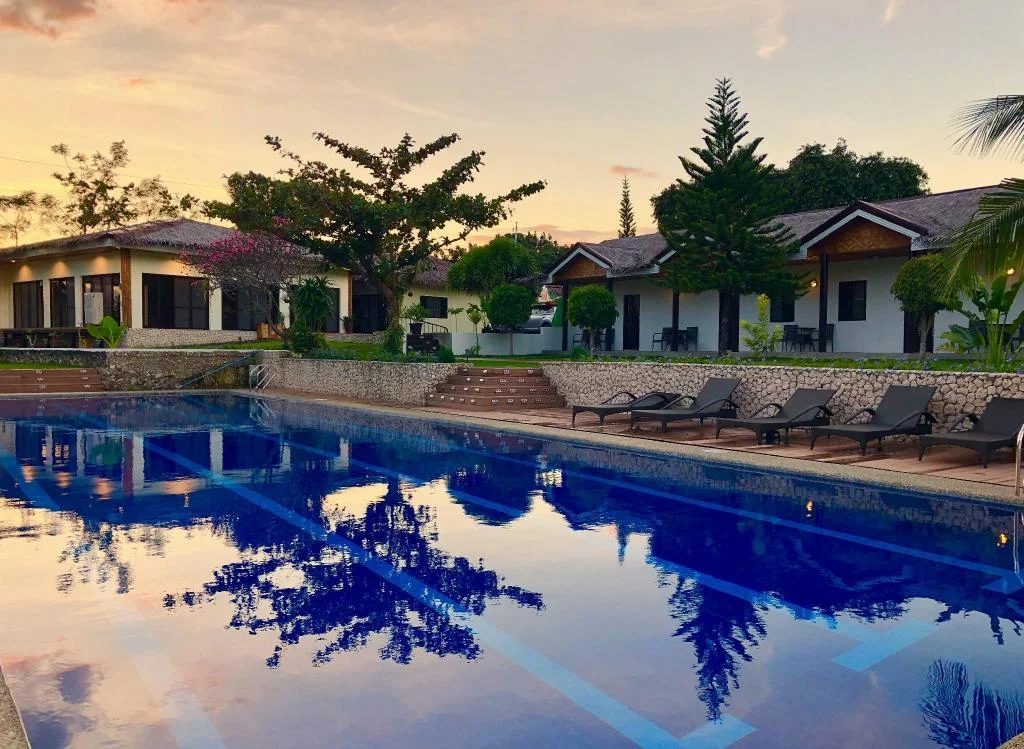
Casa de Moalboal
Before you go
Frequently asked
What is the single best dive site in Cebu?
Do I need to be an advanced diver for these sites?
Can you see thresher sharks without diving?
How much does a day of diving cost in Cebu?
Is Cebu good for beginner divers?
When is the best time of year to dive in Cebu?
Do I need my own gear?
Is Cabilao Island actually in Cebu?
More Places to Explore
Malapascua Island
Daanbantayan
A world-famous diving paradise known for thresher shark encounters, featuring beautiful white sand beaches and laid-back island vibes.
Moalboal Sardine Run
Moalboal
Swim with millions of sardines in one of the world's only year-round sardine runs, just meters from shore.
Pescador Island
Moalboal
A world-class marine sanctuary featuring The Cathedral underwater cave and exceptional wall diving.