
TL;DR: Cebu has good diving year-round, but March to May gives you the calmest seas, 20-30 meter visibility, and warm 28-30°C water without the peak-season crowds of December-February or the rain of the Habagat months (June-October). Thresher sharks at Malapascua and sardines at Moalboal are both there 365 days a year, so season changes visibility and comfort more than whether you’ll see anything. Typhoon risk for the Visayas actually skews toward October-December rather than the July-September peak most people assume. Verified July 2026.
Cebu is one of the few places in the world where you can plan a dive trip almost any month and still see something worth the flight. Thresher sharks cruise Kimud Shoal off Malapascua on a near-daily basis, and the sardine bait ball at Moalboal never migrates away from Panagsama Beach and Pescador Island. That’s different from destinations where a “season” means the animals simply aren’t there the rest of the year - in Cebu, season is mostly about water clarity, sea state, and how many other divers are on your boat.
This guide is for anyone weighing when to book: first-timers deciding between the busy dry months and the cheap rainy ones, underwater photographers chasing the clearest water, and anyone trying to dodge a typhoon. We’ll break it down season by season, cover what changes for threshers and sardines specifically, and flag the months worth avoiding if visibility and comfort matter more to you than a lower price tag.
Cebu Diving Seasons at a Glance
| Season | Months | Typical visibility | What’s best | Conditions |
|---|---|---|---|---|
| Peak dry (Amihan core) | Mar-May | 20-30m | Best overall - calm, warm, clear | Warmest water (28-30°C), busiest boats |
| Early dry (Amihan) | Dec-Feb | 10-20m | Thresher shark visibility, shoulder pricing | Choppier seas, cooler surface temps, occasional thermoclines |
| Transition | Jun | 15-25m | Fewer crowds, still mostly dry | Building humidity, first rain showers |
| Wet (Habagat) | Jul-Sep | 8-15m | Cheapest rates, quiet dive sites | Rain, wind chop, more cancelled boat days |
| Late wet / storm watch | Oct-Nov | 10-20m | Good value, fewer tourists | Rising Visayas typhoon risk - build in buffer days |
Visibility ranges are typical, not guaranteed - a single storm system or plankton bloom can swing numbers a week either direction. Verified July 2026.
When Is the Best Time to Dive in Cebu Overall?
March through May is the consensus best window - the tail end of the dry (Amihan) season, before the Habagat rains arrive. Seas are at their calmest, visibility commonly reaches 20-30 meters at sites like Pescador Island, and surface water hits its warmest at 28-30°C. It’s also, unsurprisingly, the busiest and most expensive stretch for liveaboards, resorts, and dive packages, so book Malapascua and Moalboal accommodation a few weeks ahead if you’re traveling in April.
December through February is the other half of Amihan season, and it’s where most people assume the “best” diving sits because it’s the classic dry-season window. In practice, this stretch runs choppier - northeast trade winds push more chop into the Visayan Sea, and visibility more commonly sits at 10-20 meters rather than the 20-30 you get from March onward. It’s still good diving, just not the calmest water of the year.
Is There a Bad Time to Dive in Cebu?
Not really a “bad” time, but July through September is the toughest for visibility. This is the core of the Habagat (southwest monsoon) wet season, when Cebu picks up its heaviest monthly rainfall and wind chop reduces underwater clarity to roughly 8-15 meters at most sites. Boats still run most days at both Malapascua and Moalboal, but expect more delays, more surface chop on the ride out, and murkier water in the top 5-10 meters where runoff mixes in after rain.
The upside: this is also the cheapest and least crowded stretch of the year. If your travel dates are fixed to summer break and August is your only option, it’s a perfectly workable trip - just set expectations for visibility and keep your schedule flexible in case a boat day gets cancelled.
When Are Thresher Sharks Best at Malapascua?
Thresher sharks show up at Kimud Shoal essentially every day, year-round - which is genuinely unusual; most shark dive destinations have real seasonality. Divers report the tightest run of reliable, clear-water sightings from January through April, when calmer seas make the early 5:30 AM boat trip out to the shoal easier and visibility gives you a better shot at seeing a thresher’s full silhouette rather than a shape in the murk.
The thresher cleaning station itself has shifted in recent years - it used to center on Monad Shoal, but tiger sharks moving into that spot pushed the threshers to nearby Kimud Shoal, about an hour by boat from the island. Ask your operator which shoal they’re running to; a good shop will already have adjusted. Pair the shark dive with our thresher shark diving Malapascua guide for logistics, pricing, and what the early wake-up call actually involves.
When Is the Moalboal Sardine Run Best?
Any time of year - the sardine bait ball at Panagsama Beach is a resident population, not a migratory event like South Africa’s sardine run, so the fish are there in July as reliably as in January. Season changes the viewing experience more than the sighting odds: December through May gives you clearer water and better photos, while June through October brings more particulate in the water column from rain runoff, which can actually make the ball look denser and more dramatic in some conditions, just with shorter visibility beyond it.
Early morning (roughly 6-8 AM) is the best time of day regardless of season - calmer water, softer light, and the sardines still schooled tightly before the day’s snorkel boats arrive. See our Moalboal sardine run guide for where to swim from shore versus by boat, and check swimming with sea turtles in Moalboal if you’re combining the sardines with a Turtle Point stop, since turtles at that site are also a year-round sighting, not seasonal.
What About Typhoon Season?
This is where a lot of trip planning goes wrong. Most travelers assume July-September, the Philippines’ overall typhoon peak, is the risk window everywhere in the country. For the Visayas specifically, the picture is different: reporting on the last 26 years found Cebu took a direct typhoon hit in only six of them, and none of those direct hits fell in July, August, or September. The Visayas and Mindanao’s exposure actually runs heavier from October through December, later than northern Luzon’s June-to-September window.
Practically, that means:
- Cebu is more sheltered than its “typhoon season” reputation suggests, especially June-September.
- If you’re diving Malapascua or Moalboal October through December, build one buffer day into your itinerary in case a system forces a boat cancellation.
- Check PAGASA a few days before you fly rather than ruling out a whole month on reputation alone.
Do Thermoclines Change What You Should Pack?
Yes, but only for a few months. Surface water in Cebu barely moves outside a 24-30°C range all year, so a 3mm wetsuit is fine for most of the calendar. From November through January, thermoclines - a sharp temperature drop layer at depth - can chill the water to roughly 24-26°C below 20-25 meters at sites like Pescador Island and Kimud Shoal. Divers doing multiple dives a day in that window often pack a 5mm suit or a hooded vest; everyone else can stick with a 3mm and a rash guard underneath.
How to Choose Your Dive Dates
- Want the clearest water and don’t mind higher prices: book March-May.
- Want thresher sharks with a side of good visibility: aim for January-April.
- Want to save money and avoid crowds, and don’t mind some rain: July-September, with flexible dates.
- Traveling October-December: go for it, but build in a spare day and watch PAGASA the week before.
- New or nervous diver: Amihan’s choppier December-February seas are more work on the surface swim; March-May or June is gentler for a first Philippines dive trip.
If you’re still deciding between a full dive trip and a shorter course, our learn to dive in Cebu guide covers Open Water certification timing, and best dive sites in Cebu rounds out the full list beyond Malapascua and Moalboal, including Hilutungan Marine Sanctuary and Olango Island Wildlife Sanctuary off Mactan.
The Honest Take
Cebu’s “best season” marketing oversells the difference between months. Threshers and sardines are there whether you show up in January or August - the real variable is whether you want to pay peak prices for the clearest water (March-May), accept choppier seas for slightly better shark odds (Jan-Apr), or save real money and tolerate rain and lower visibility (Jul-Sep). None of these is objectively wrong, and honestly, divers who’ve done both a March trip and an August trip often say the wet-season boats being half-empty was worth the murkier water.
Where I’d push back on the hype: don’t let “typhoon season” scare you off July-September specifically, since Cebu’s actual storm risk runs later in the year. And don’t assume December-February is automatically the best time just because it’s technically “dry season” - it’s often choppier than the shoulder months right after it. If your dates are flexible, late March through early May is the actual sweet spot most local shops will point you to first.
Plan the Rest of Your Trip
Diving is only part of a Cebu itinerary - pair your dive days with the best dive sites in Cebu for a full site list, check Cebu weather month by month if you’re building an itinerary around more than diving, and read our Cebu diving guide province-wide overview for operator comparisons and certification options. For gear-free days between dives, our best time to visit Cebu guide covers the broader travel calendar beyond the reef.
Ready to book? Search Malapascua and Moalboal dive packages on Klook or compare thresher shark and sardine run day trips on GetYourGuide, and lock in a room near the water with Moalboal stays on Agoda.
Sources
- Malapascua Diving - Best Time to Dive Malapascua
- WhyCebu - Thresher Shark Diving Malapascua: Kimud Shoal Guide 2026
- WhyCebu - Sardine Run Moalboal: Prices, Best Time & Tips 2026
- Guide to the Philippines - Moalboal Sardine Run
- Original Diving - Best Time to Dive in Moalboal
- LiveLife the Philippines - Typhoon Season Philippines 2026
- PAGASA - Tropical Cyclone Information
Seasonal patterns, visibility ranges, and typhoon statistics verified against 2025-2026 operator and climate reporting. Verified July 2026.
Book Tours & Hotels for This Trip
Find and book the best deals — prices and availability update in real time. Links open in a new tab.
Where to stay near Moalboal
Top-rated hotels for this trip — tap through to check live rates.
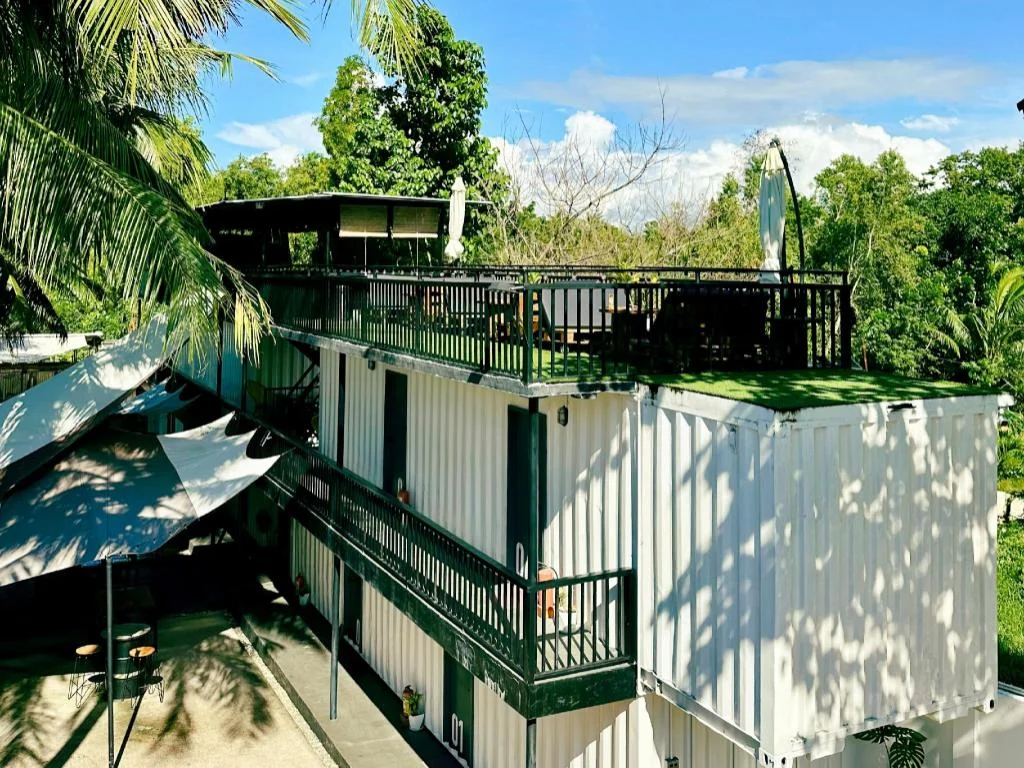
PIG DIVE HOSTEL MOALBOAL
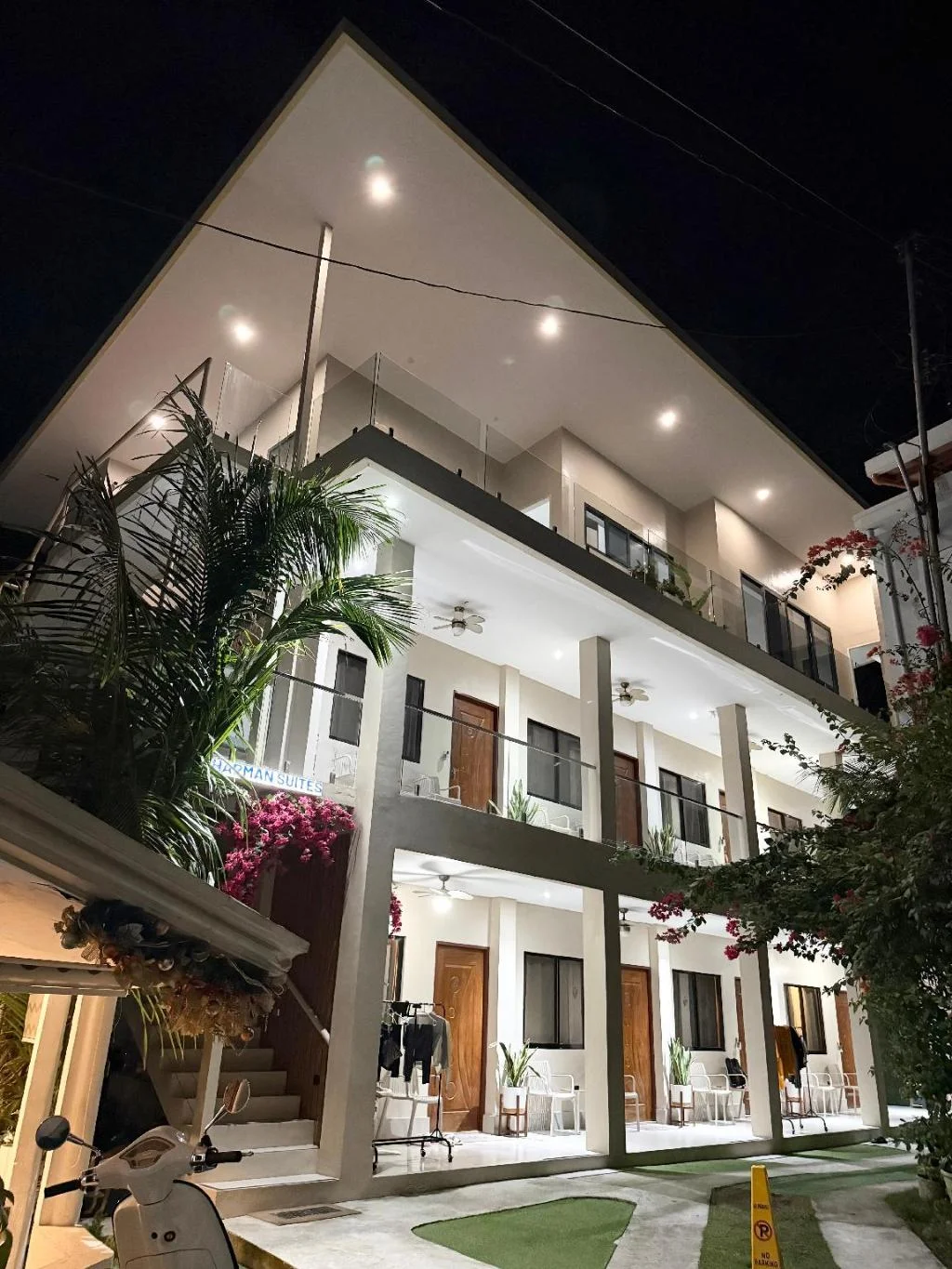
Harman Suites Moalboal

Ocean Vida Resort
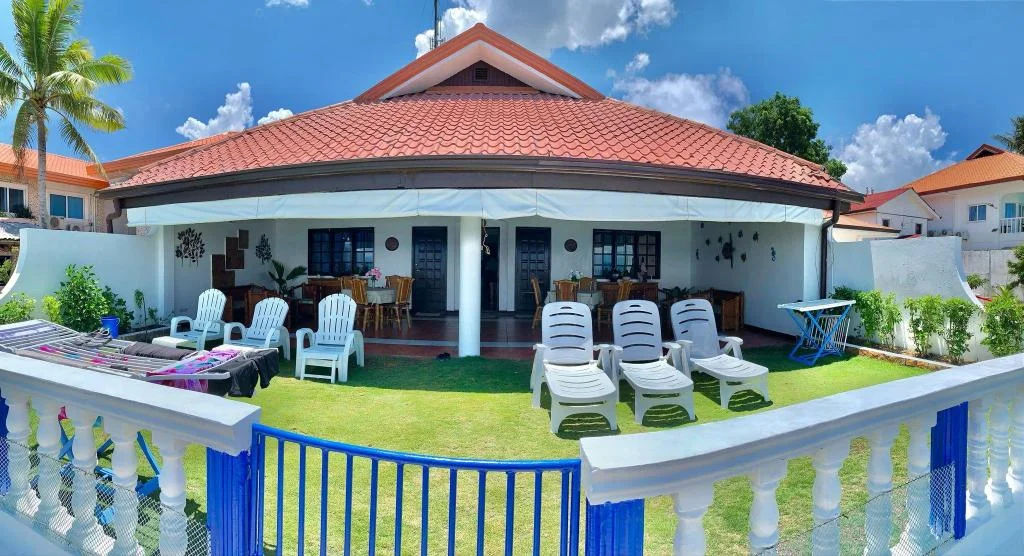
Il Sogno Resort
Prefer a rental? Vacation rentals near Moalboal
Self-catering condos and apartments — book the exact unit, kitchen included.
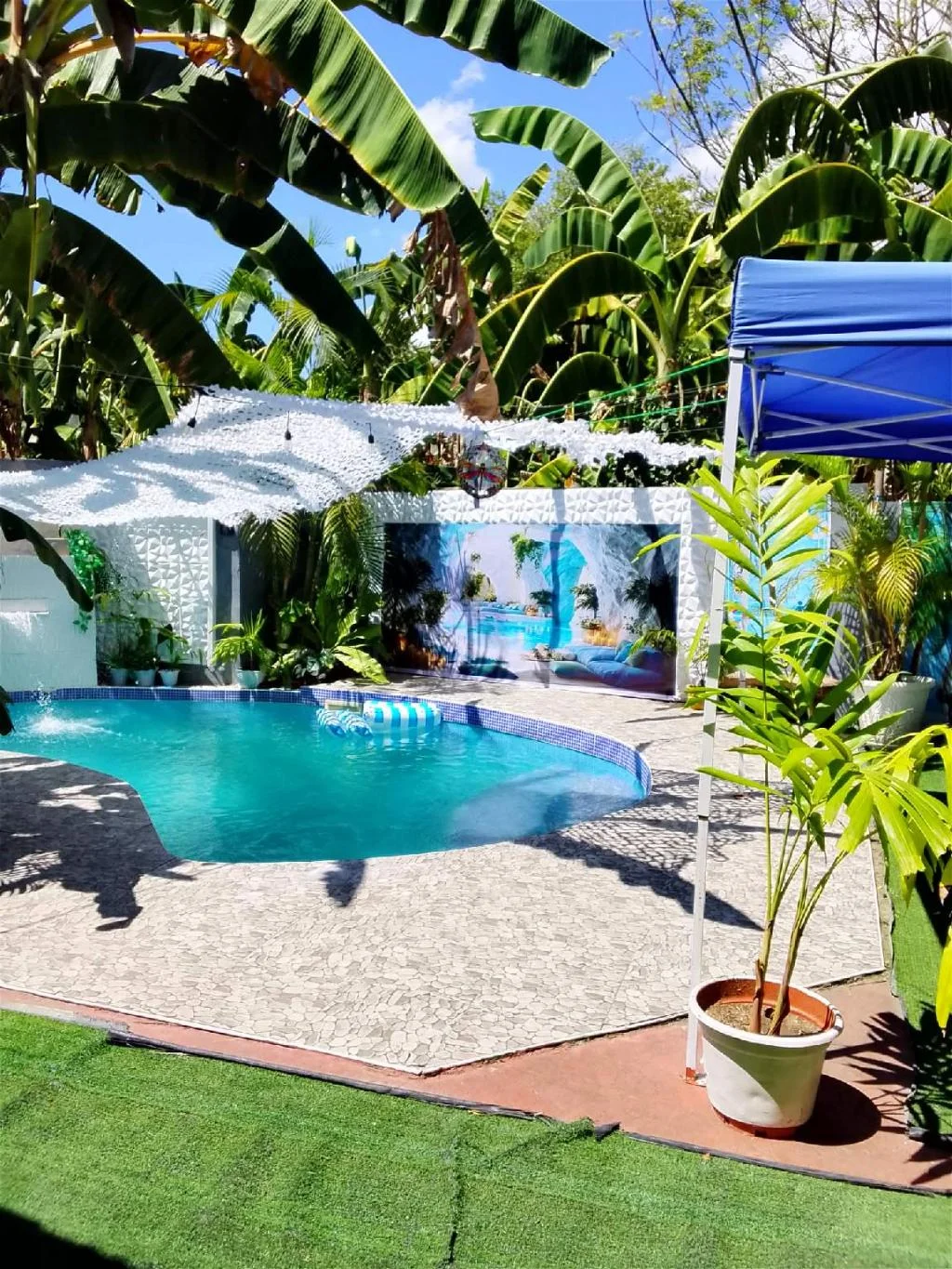
Two crazy monkeys
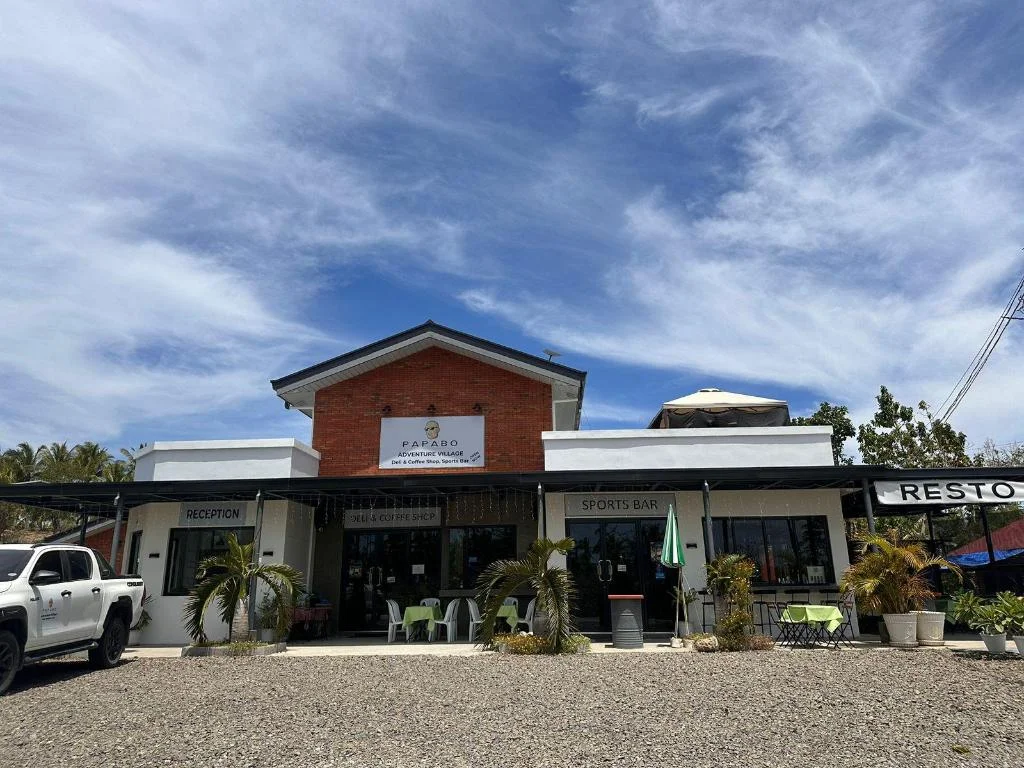
PAPABO Adventure Village
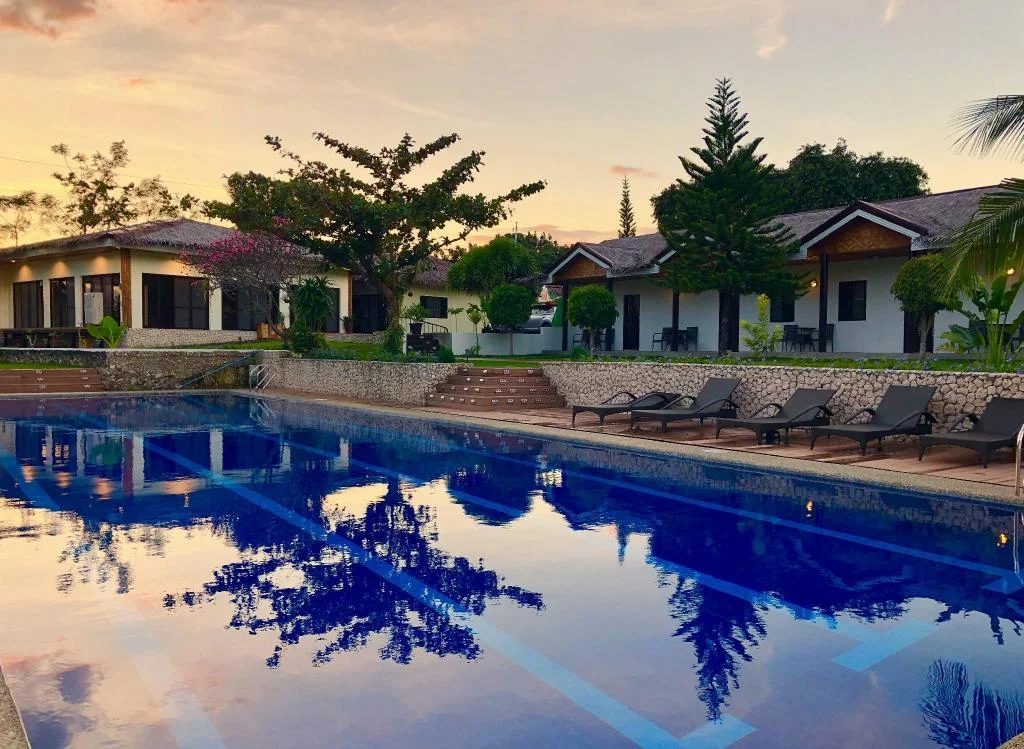
Casa de Moalboal
Before you go
Frequently asked
What is the best month to dive in Cebu?
Can you dive in Cebu during rainy season?
Is Cebu diving affected by typhoons?
Do you need a thicker wetsuit at certain times of year?
When are thresher sharks guaranteed at Malapascua?
Is the Moalboal sardine run seasonal like South Africa's?
Should I avoid Cebu diving in August?
What's the coldest water gets in Cebu?
More Places to Explore
Thresher Shark Diving
Daanbantayan
One of the world's only reliable locations to dive with pelagic thresher sharks at the famous Monad Shoal cleaning station.
Pescador Island
Moalboal
A world-class marine sanctuary featuring The Cathedral underwater cave and exceptional wall diving.
Moalboal Sardine Run
Moalboal
Swim with millions of sardines in one of the world's only year-round sardine runs, just meters from shore.
Turtle Point
Moalboal
Swim alongside green sea turtles in their natural habitat at this reliable turtle-spotting destination.
Malapascua Island
Daanbantayan
A world-famous diving paradise known for thresher shark encounters, featuring beautiful white sand beaches and laid-back island vibes.