
TL;DR: Cebu doesn’t really have a winter — expect 29-33°C days and 77-84% humidity year-round, with January-February the closest thing to “cool” and March-May the hottest stretch. Rainy season runs roughly June-November (wettest August-October), and typhoon risk is real but lower than the rest of the Philippines, concentrated October-December — Typhoon Kalmaegi’s November 2025 flooding was a stark exception, not the norm. Budget ₱2,250-4,250/month (US$39-73) per aircon unit run daily, with VECO rates near ₱13.74/kWh as of June 2026. Verified July 2026.
If you’re moving to Cebu, or thinking about it, the weather question isn’t “when’s the best time to visit” — it’s “what is it like to actually live in this, every day, for years.” That’s a different question, and most travel guides don’t answer it. This one does: the year-round heat and humidity you can’t escape, the real difference between the dry and wet halves of the year, what typhoon season actually means for someone based here (not just passing through), and the very unglamorous stuff — electric bills, mold on your shoes, laundry that won’t dry — that decides whether you settle in or burn out. If you haven’t picked a base yet, pair this with our guide to the best neighborhoods to live in Cebu, since elevation and proximity to the coast both affect how the heat feels day to day.
Cebu Weather at a Glance
| Period | Avg. High / Low | Humidity | Rain | What It’s Like Living In It |
|---|---|---|---|---|
| Dec-Feb (coolest) | 29-30°C / 23-25°C | 77-80% | Occasional | Closest thing to relief; mornings genuinely pleasant |
| Mar-May (hottest) | 31-33°C / 25-26°C | 78-82% | Rare, building humidity late May | Peak heat; aircon runs most of the day |
| Jun-Sep (early wet) | 30-31°C / 25-26°C | 80-83% | Frequent afternoon downpours | Humid and sticky; laundry and mold management daily |
| Oct-Nov (late wet / typhoon risk) | 29-31°C / 25-26°C | 82-84% | Heaviest rainfall of the year | Highest storm risk; flash flooding possible |
Averages from long-term climate data; any single year varies. Verified July 2026.
Is Cebu Hot and Humid Year-Round?
Yes — there’s no cold season, only “less hot.” Daytime highs sit between 29°C and 33°C (84-91°F) in every single month, and humidity averages 77-84% year-round. The seasonal swing that exists is real but modest: December through February brings slightly cooler nights (23-25°C) and marginally lower humidity thanks to the northeast trade winds (locals call this the amihan), while March through May is the hottest, driest-feeling stretch before the rains build. If you’re used to four distinct seasons, recalibrate — Cebu essentially has two: hot-and-dry-ish, and hot-and-wet. Both are humid by most non-tropical standards.
What’s the Real Difference Between Dry Season and Wet Season?
Dry season (amihan, roughly December-May) means less rain and lower humidity; wet season (habagat, roughly June-November) means frequent rain and higher humidity — not necessarily cooler temperatures. The two monsoon patterns drive this: the northeast monsoon (amihan) dominates December to May and brings comparatively drier air, while the southwest monsoon (habagat) takes over from June to November and pushes moisture-heavy weather across the Visayas. Rain in the wet season tends to arrive as intense afternoon downpours rather than steady all-day drizzle, so mornings are often still usable for errands or exercise even in September. For a full month-by-month rainfall and temperature breakdown, see our Cebu weather month by month guide, and if you’re deciding when to plan trips around the two patterns, dry season vs rainy season in Cebu goes deeper on the trade-offs.
Which Months Are Actually Coolest to Live In?
January and February, hands down. Nighttime lows dip to around 23-25°C (74-77°F), daytime humidity drops toward 77-80%, and the northeast trade winds cut the stickiness noticeably compared to the rest of the year. It’s still tropical — you won’t need a jacket — but it’s the two-month window where residents actually turn the aircon off before 9 AM and open the windows instead. March through May flips hard the other way: this is peak heat, and by late May humidity starts climbing again as the wet season approaches. If your work or lifestyle lets you plan around it, front-load house-hunting, moving, or outdoor renovation work into January-February rather than April.
How Much Should You Budget for Aircon and Electricity?
Expect ₱2,250-4,250 per month (roughly US$39-73) per unit run daily, and ₱9,000-14,000/month (US$155-241) total electricity for a 2-bedroom condo used regularly. Visayan Electric (VECO), Cebu’s utility, has been raising residential rates through 2026 — from roughly ₱11-12/kWh in early 2025 to about ₱13.74/kWh by June 2026, driven by higher generation and fuel costs. The unit type matters more than most people expect: an inverter aircon run 8 hours a day typically costs ₱2,250-3,150/month, while an older non-inverter unit doing the same job can run ₱3,650-4,250. If you’re renting long-term, ask the landlord about the aircon’s age and type before signing — it’s often the single biggest swing factor in your monthly bill. For the full utility picture (water, internet, and other bills alongside power), see our companion cost breakdown, and check current VECO rates directly since they’ve moved several times in 2026 alone.
When Does Typhoon Season Actually Hit Cebu?
Typhoon risk is real but statistically lower here than in northern Luzon or Eastern Visayas, concentrated October through December as storm tracks shift south — though the broader Philippine typhoon season runs June through October, when about 70% of storms form. Cebu itself typically sees zero to one direct hit in an average year, which is part of why it’s marketed as a relatively typhoon-safe base compared to, say, Tacloban or northern Luzon. But “usually spared” isn’t a guarantee: Typhoon Kalmaegi struck in early November 2025 and triggered what local reporting called the worst flash flooding in Cebu’s recorded history, with more than 70 deaths in the province from drowning and widespread displacement. If you’re living here long-term, keep a basic go-bag, know your barangay’s evacuation points, and don’t assume a quiet few years means the next storm season will be the same. Our dedicated typhoon-season guide covers preparation and safety planning in more depth.
How Do You Deal With Mold, Mildew, and Laundry in the Humidity?
Run a dehumidifier or your aircon’s dry mode in closets and bedrooms, keep silica gel in cabinets and shoe racks, and never let damp laundry sit. This is the unglamorous reality nobody mentions before you move: leather shoes and bags can grow visible mold overnight during the wet months if stored in an unventilated closet. Practical habits that actually work:
- Line-dry with a fan on, or use a dryer during June-November — humid air alone won’t dry clothes properly, and damp fabric left too long picks up a mildew smell fast.
- Wipe down leather (shoes, belts, bags) weekly with a dry cloth; a quick swipe prevents the mold that a week of neglect won’t.
- Keep silica gel packs in wardrobes, shoe cabinets, and camera bags — cheap, and genuinely effective.
- Use the aircon’s dry/dehumidify setting, not just cool mode, in rooms with a mold history — it pulls moisture out of the air more efficiently than cooling alone.
None of this means Cebu is unlivable — it means humidity management becomes a habit, the same way shoveling snow is a habit somewhere colder.
How Do You Adjust to Living in Cebu’s Climate?
Most people adapt within one to three months by shifting their schedule and expectations, not by fighting the heat. Concrete moves that help:
- Front-load outdoor plans for morning or early evening. Midday (11 AM-3 PM) sun is genuinely punishing most of the year; locals plan errands, exercise, and sightseeing around it.
- Budget aircon into your housing cost from day one, rather than treating it as a surprise add-on — see the numbers above.
- Head for elevation on brutal days. Spots in the hills above the city like Temple of Leah and Tops Lookout sit noticeably cooler than downtown or the coast, with a breeze that makes a real difference on a 33°C afternoon — worth the short drive up even just for a change of air.
- Get a real test run before committing to a lease. A one-week vacation in January tells you almost nothing about what August feels like. If you can, stay a full month, ideally overlapping with the wet season, before signing anything long-term.
For the fuller day-to-day picture beyond weather — visas, banking, healthcare, and neighborhoods — our complete guide to living in Cebu as an expat is the next read, and our cost of living in Cebu guide puts the electricity numbers above in context against rent, food, and transport.
The Honest Take
Cebu’s weather is not a hidden dealbreaker, but it’s also not the “endless summer” postcard version people imagine before they arrive. The heat and humidity are constant enough that you stop noticing the temperature number and start noticing your electric bill instead — that’s the real adjustment. The dry season (December-May) is genuinely more pleasant, but “dry” here still means humid by most standards; don’t expect a crisp, low-humidity climate at any point in the year. Typhoons are the one area where marketing tends to undersell the risk: Cebu is safer than most of the Philippines, but 2025’s Kalmaegi proved “rare” isn’t “never,” and a serious storm here can be genuinely dangerous, not just an inconvenience. If you’re heat-sensitive, budget-conscious about electricity, or moving somewhere you can’t easily leave during a bad flood, weigh that honestly rather than assuming Cebu’s reputation as a mild, typhoon-light base will always hold.
If the climate sounds workable, Cebu is livable and comfortable for the vast majority of long-term residents — you just plan around midday sun, invest in decent aircon, and accept a slightly higher power bill as the cost of the tropics.
Combine It With the Rest of Your Cebu Planning
Before you commit to a move, cross-check this against our month-by-month climate breakdown and the best time to visit Cebu guide if you’re still deciding when to do the initial scouting trip. If you’re renting, comparing Cebu City condos and hotels on Agoda for a longer trial stay is a low-commitment way to test a neighborhood’s heat and airflow before signing a lease. And for the inevitable rainy afternoons, browsing indoor activities and tours on Klook is a decent way to plan around a downpour instead of losing the day to it.
Sources
- Climate of Cebu — Wikipedia (seasonal patterns, monsoon timing)
- PAGASA — Tropical Cyclone Information (typhoon season timing and frequency)
- CNN — Typhoon Kalmaegi kills at least 85 in the Philippines (November 2025 Cebu impact)
- Visayan Electric — official rate announcements (VECO residential rate history through 2026)
- Long-term temperature and humidity averages cross-checked against multiple climate-data aggregators. Verified July 2026.
Book Tours & Hotels for This Trip
Find and book the best deals — prices and availability update in real time. Links open in a new tab.
Where to stay near Cebu City
Top-rated hotels for this trip — tap through to check live rates.

Seda Central Bloc Cebu City
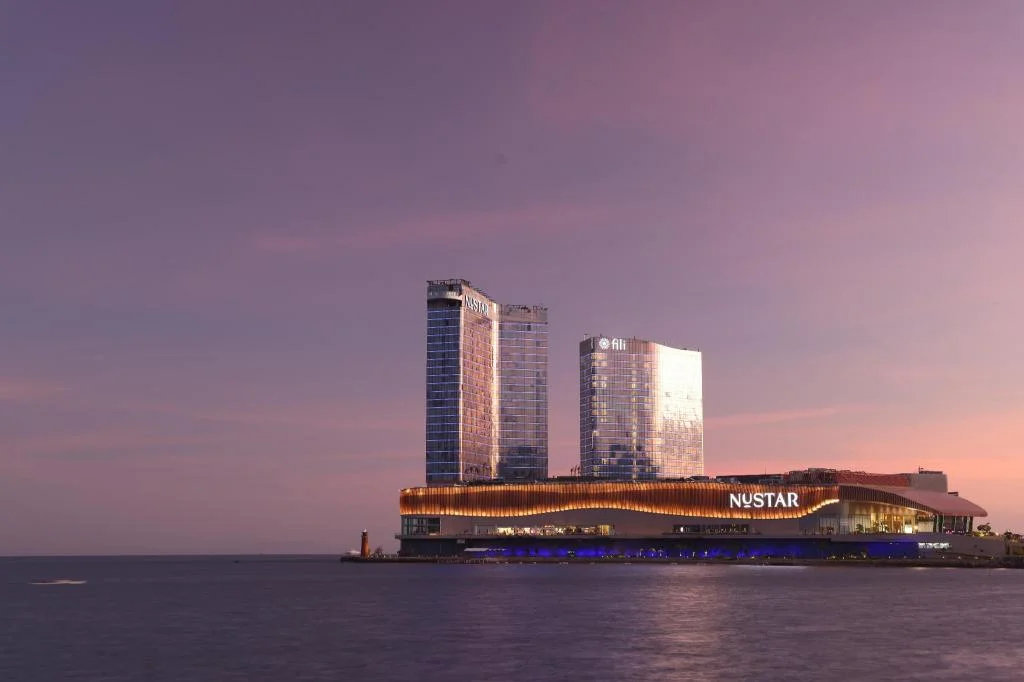
Fili Hotel - NUSTAR Resort & Casino Cebu
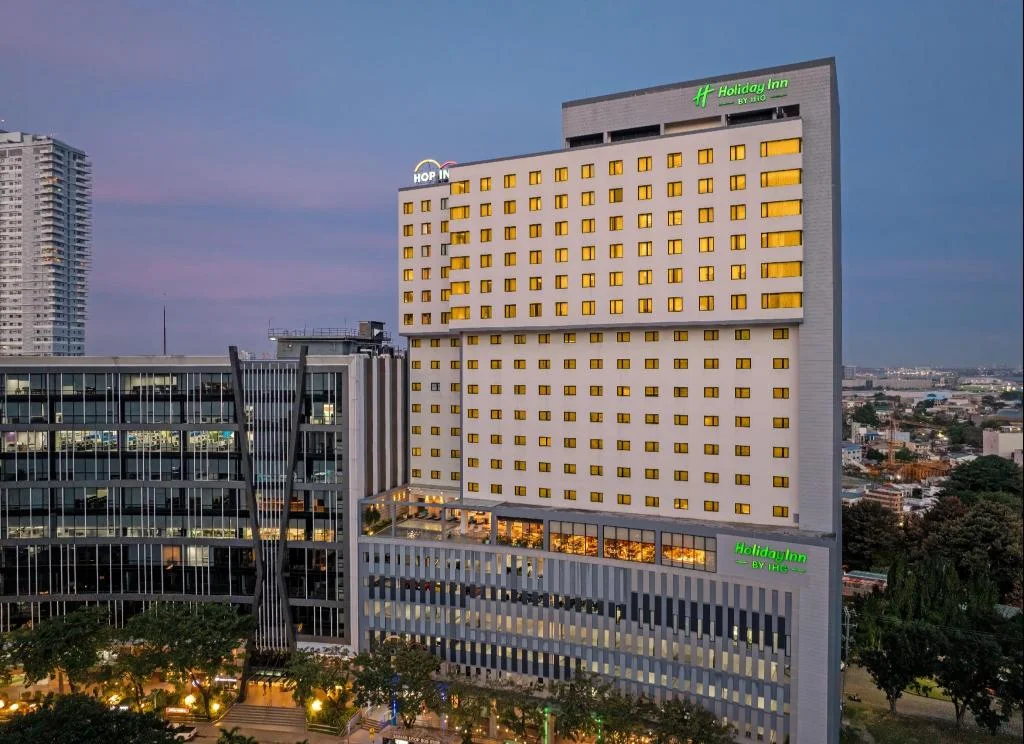
Holiday Inn Cebu City By IHG

Citadines Cebu City
Prefer a rental? Vacation rentals near Cebu City
Self-catering condos and apartments — book the exact unit, kitchen included.
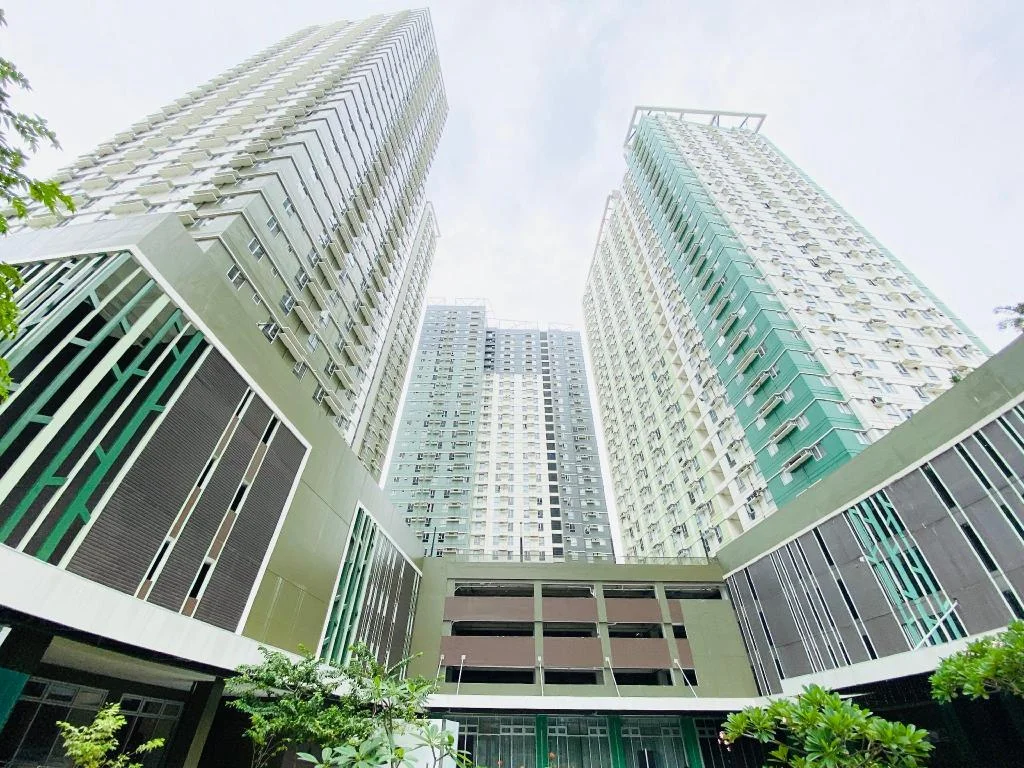
Cebu Avida Riala by P&J

Special Big Loft Unit w/Fibreop Internet & Netflix
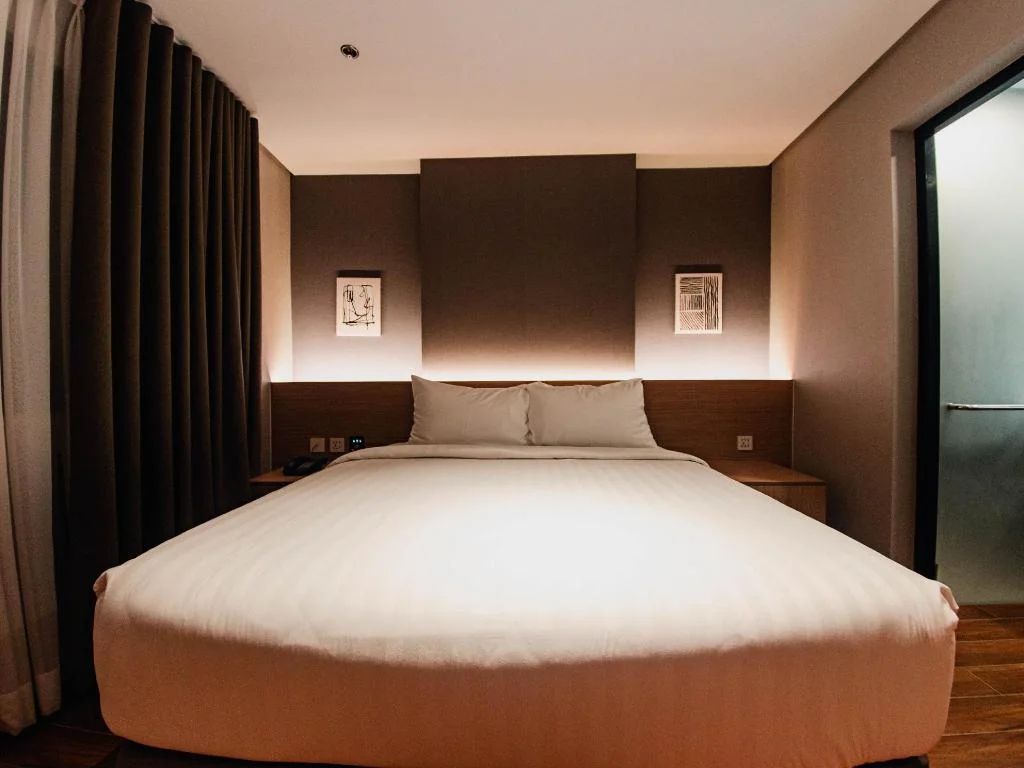
Moonstar Cebu Hotel - Deluxe Room
Before you go
Frequently asked
Is Cebu hot all year round?
What's the coolest month to live in Cebu?
When is rainy season in Cebu?
How much does it cost to run an aircon in Cebu?
Does Cebu get hit by typhoons?
How do you deal with mold and mildew in Cebu's humidity?
Do most homes in Cebu have air conditioning and hot water?
Is Cebu's weather a dealbreaker for long-term living?
More Places to Explore
Temple of Leah
Cebu City
A magnificent Roman-inspired temple built as a monument of love, nicknamed 'Cebu's Taj Mahal,' offering stunning architecture and city views.
Tops Lookout
Cebu City
Cebu City's premier hilltop viewpoint offering stunning panoramic views of the city, especially spectacular at sunset and nighttime.