
TL;DR: The biggest savings in Cebu come from where you eat and how you book, not from cutting activities. Eat at carinderias (₱60–150 a plate) instead of restaurants, ride jeepneys (₱13–17) instead of Grab (₱150–300+) for short hops, join shared tours instead of private ones for Oslob and Kawasan, and book flights and ferries during seat sales instead of last-minute. Skip the airport money changer, refill your water bottle instead of buying it, and haggle politely at the markets. None of this requires roughing it — it just avoids the tourist-priced version of things locals already do cheaply. Verified July 2026.
Cebu can eat your budget fast if you default to the tourist-facing version of everything — resort restaurants, metered-taxi-plus-surge Grab rides, and private tours booked the day before. It doesn’t have to. This guide is a practical list of the habits that actually move the needle, the kind a Cebuano or long-term expat uses without thinking twice, from where to eat around Colon Street and Carbon Market to how to book transport and tours so you’re not paying the walk-up price. It’s built for anyone stretching a trip further, whether you’re backpacking, traveling as a family, or just don’t see the point in overpaying. Pair it with our Cebu for ₱1,000 a day guide if you want a full daily budget built around these habits.
How Much Can You Actually Save?
| Habit | Typical saving | Compared to |
|---|---|---|
| Eat at a carinderia or turo-turo | ₱150–250 per meal | A casual sit-down restaurant meal |
| Ride a jeepney instead of Grab/taxi | ₱100–250 per trip | A Grab or taxi fare for the same short hop |
| Join a shared/joiner tour, not a private one | ₱2,000–5,000+ per person | A solo private day tour |
| Refill your water bottle | ₱10–20 per liter | Buying bottled water |
| Book flights/ferries during a seat sale | 40–70% off the walk-up fare | Booking last-minute |
| Exchange money in the city, not the airport | 3–6% better rate | Airport money changers |
| Skip the airport taxi rank, use Grab pickup or pre-book | ₱100–200 | An airport-designated (yellow) taxi |
| Visit free attractions (churches, viewpoints, public beaches) | The full entrance/tour fee | A paid attraction covering similar ground |
| Haggle politely at Carbon Market | 10–30% off the first quote | The vendor’s opening price |
| Travel just outside Sinulog/Holy Week/holidays | Noticeably lower hotel rates | Peak-week pricing |
Peso figures use ₱62 ≈ US$1 (July 2026). Ranges vary by vendor, operator, and season — confirm current prices locally. Verified July 2026.
Where Should You Eat to Save the Most?
Skip the restaurant menu and eat where the food is pointed at, not printed on a page. A carinderia or turo-turo plate — rice plus two viands, sometimes with a drink — typically runs ₱60–150 (about US$1–2.42), against several times that for a similar meal at a casual restaurant. Carbon Market’s inner and outer carinderia rows are some of the most reliable spots for this in the city, and Colon Street has its share of no-frills eateries too. Puso (hanging rice) plus a skewer of barbecue from a street stall is another reliable cheap lunch, often ₱80–100 for a filling meal. For a deeper dive on where specifically to go, see our best cheap eats in Cebu guide.
How Do You Get Around Without Overpaying?
Jeepneys are the cheapest way to move around the city, full stop. Minimum fares sit in the ₱13–17 range depending on whether it’s a traditional or modern/aircon unit — rates have shifted a bit through 2026, so confirm the posted fare on the jeepney itself. For point-to-point trips, especially at night or with luggage, Grab is the more predictable option, but its ₱40 booking fee and surge pricing during rain or rush hour add up — budget ₱150–300 for a typical crosstown ride. Metered white taxis can undercut Grab if the driver actually uses the meter, but that’s inconsistent enough that Grab’s upfront pricing is often worth the premium for peace of mind. See our jeepneys in Cebu and Grab in Cebu guides for route- and app-specific detail, and our buses in Cebu guide if you’re heading out of the city.
Joiner Tour or Private Tour — Which Actually Saves More?
For solo travelers and couples, joiner (shared) tours save the most; for groups of four or more, private tours can come out about the same or cheaper per head. A shared joiner tour to Oslob’s whale sharks and Kawasan Falls canyoneering typically runs ₱1,200–1,500 per person for transport and coordination alone, or up to around ₱3,600 per person for a fuller package that bundles entrance fees, guide, and lunch. A private van with driver and guide for the same day can cost several times that per person if you’re traveling alone, but split four or more ways it starts to close the gap — sometimes even undercutting four joiner seats. The tradeoff for the joiner price is a fixed schedule and a shared boat or van; the tradeoff for private is flexibility and no waiting on other travelers. Confirm current pricing directly with the operator, since packages and inclusions vary. Browse Oslob whale shark and Kawasan canyoneering tours on Klook to compare joiner and private options side by side.
What’s Free (or Nearly Free) to Do in Cebu?
More of Cebu’s best sights cost nothing than most first-time visitors expect. Cebu City’s heritage core — the churches, plazas, and colonial-era landmarks around downtown — costs nothing beyond a small photo-op donation in some cases. Public beaches without a resort day-use fee, free viewpoints along the transcentral highway, and Carbon Market itself (browsing, not necessarily buying) are all free or effectively free ways to spend a day. Building a full day around these before adding one or two paid activities is the fastest way to stretch a tight budget without feeling like you’re missing anything. Our free and cheap things to do in Cebu guide runs through the full list by area.
How Do You Avoid Losing Money on Currency and Cash?
Change only what you need at the airport, then do the rest in the city. Money changers at Mactan-Cebu International Airport typically run about 3–6% worse than city rates, so exchange just enough there to cover a SIM card and your ride in — reputable money changers in Ayala Center or SM City Cebu offer noticeably better rates for the bulk of your cash. On the ride itself, a metered white taxi runs roughly ₱350–500 into the city, airport-designated yellow taxis run higher at ₱450–600, and Grab typically lands at ₱500–700 once its fees are factored in — worth knowing before you’re standing at the taxi rank at 2 AM off a long-haul flight. See our currency exchange in Cebu and money in Cebu guides for more, and our taxis in Cebu guide for fare specifics and common overcharging tactics to watch for.
What Other Small Habits Add Up?
A handful of smaller habits round out the list:
- Refill your water bottle instead of buying it. Bottled water runs ₱12–25 per liter, while a refilling station tops up your own bottle for a fraction of that — a 5-gallon container costs around ₱25–40 total. Confirm the source is a proper refilling station before drinking, and see our tap water safety guide if you’re unsure about drinking straight from the tap.
- Book flights and ferries during seat sales, well ahead of travel. Cebu Pacific and AirAsia both run periodic sales where the advertised base fare drops close to zero before taxes and fees, and 2GO has run ferry promos with fares from as low as ₱155. Search one or two passengers at a time — bulk searches often hide the promo fare — and follow the airlines’ Facebook pages, since sales are usually announced there first.
- Haggle at Carbon Market, politely. Bargaining is normal and expected — start below what you’re willing to pay, stay friendly, bring small bills, and check a couple of stalls before committing, since prices for the same item can vary from vendor to vendor.
- Travel just outside peak weeks. Sinulog (mid-January), Holy Week, and the December–early January holidays push hotel rates up and rooms scarce; the weeks around them get you the same beaches and sights for noticeably less. Compare Cebu City hotel rates on Agoda across a few different weeks to see the swing for yourself.
- Group up for private transport. A private van with driver splits well across four to six people for full-day trips south to Oslob or Moalboal, often working out close to (or cheaper than) public transport plus a joiner tour once everyone’s share is added up.
The Honest Take
None of this requires slumming it. Carinderia food is, meal for meal, some of the best in the city — you’re not sacrificing quality to save money here, and plenty of well-off Cebuanos eat this way daily. Where the savings genuinely come with a tradeoff is joiner tours (shared schedule, shared boat) and jeepneys (no aircon, can be slow in traffic). If your time is worth more to you than the peso difference, paying for the private or air-conditioned option is a reasonable call, not a mistake — this guide is about knowing what you’re trading, not shaming anyone for paying for convenience. The one habit worth adopting regardless of budget is avoiding the airport money changer and the airport taxi rank; those two alone have no real upside for tourists, only a worse rate and a longer line.
Sources
- Sinulog Foundation and general Cebu tourism reporting on seasonal pricing
- Cebu Pacific and 2GO promo fare structures per airline/operator promotional pages and recent 2026 travel-blog reporting
- Jeepney fare data per 2026 LTFRB/Cebu City fare-rate reporting (Rappler, Sunstar) — confirm posted fares locally, as rates have shifted through the year
- Grab and taxi fare ranges per Cebu-specific fare-comparison and rider-experience reporting
- Carbon Market bargaining norms per local market guides and traveler reporting
- Water refilling station and bottled water pricing per Philippine market and business-industry reporting
- All prices approximate and subject to change. Verified July 2026.
Save on the essentials and put the difference toward the experiences worth paying full price for — a proper island-hopping day, a night out in IT Park, or a nicer room for one or two nights. For the full day-by-day budget breakdown, see Cebu for ₱1,000 a day and the cheapest way to travel around Cebu. And when you’re ready to book that tour or hotel, compare Cebu City accommodation on Agoda before committing — a bit of comparison shopping is itself one more way to save.
Book Tours & Hotels for This Trip
Find and book the best deals — prices and availability update in real time. Links open in a new tab.
Where to stay near Cebu City
Top-rated hotels for this trip — tap through to check live rates.
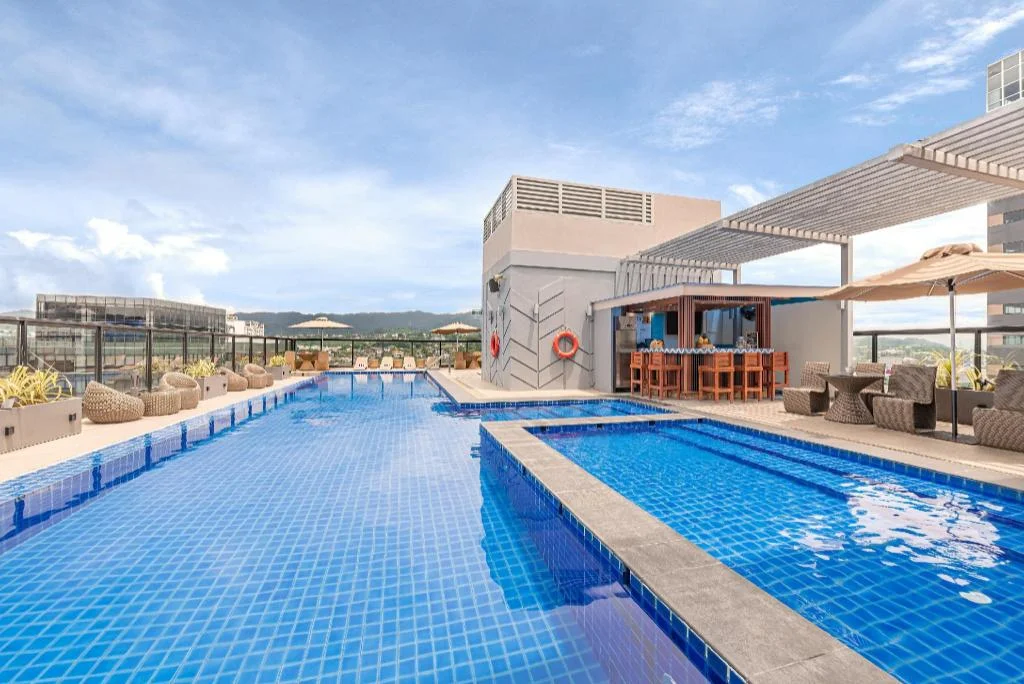
Seda Central Bloc Cebu City
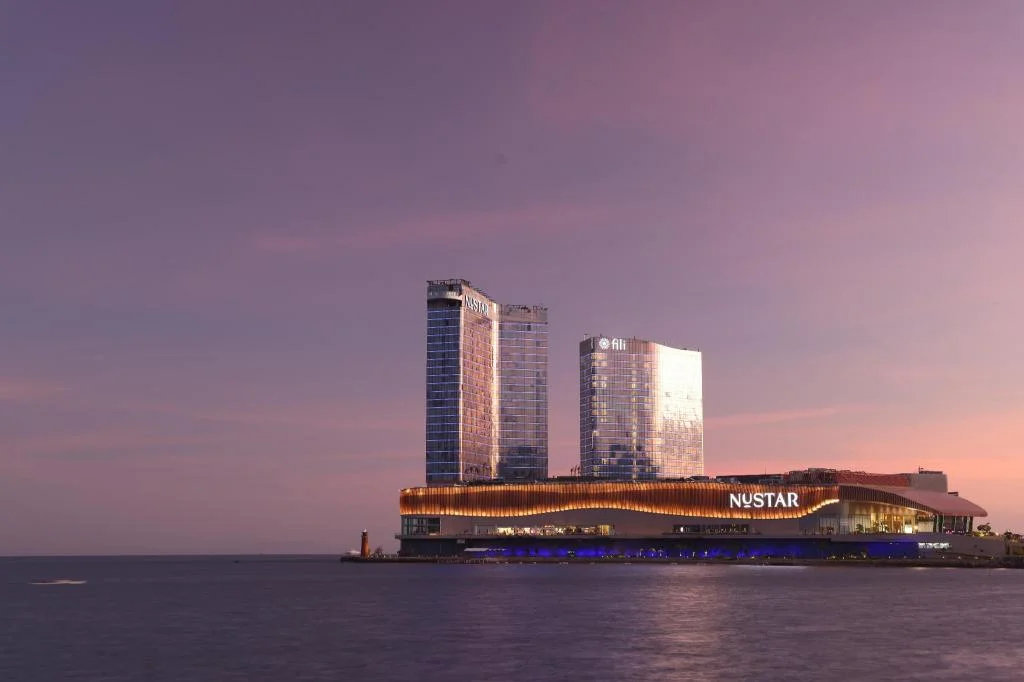
Fili Hotel - NUSTAR Resort & Casino Cebu
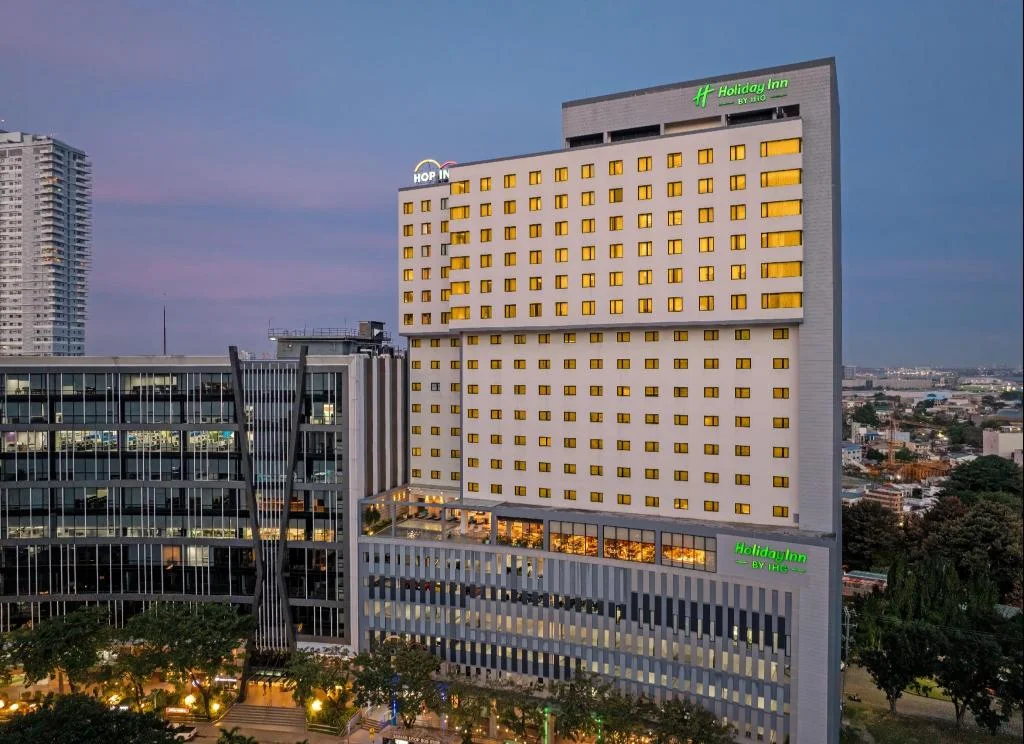
Holiday Inn Cebu City By IHG
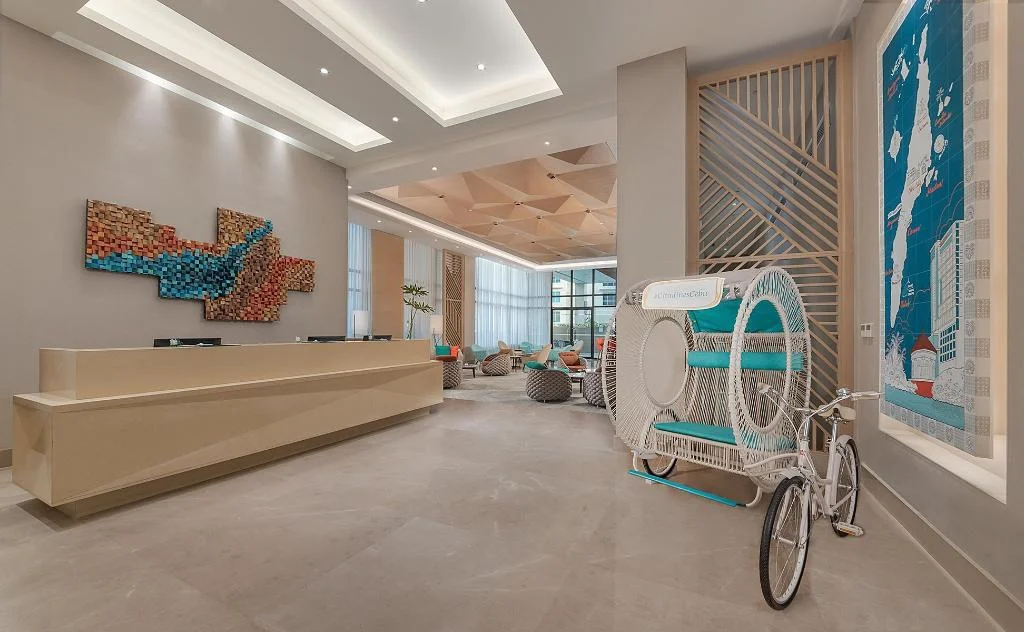
Citadines Cebu City
Prefer a rental? Vacation rentals near Cebu City
Self-catering condos and apartments — book the exact unit, kitchen included.
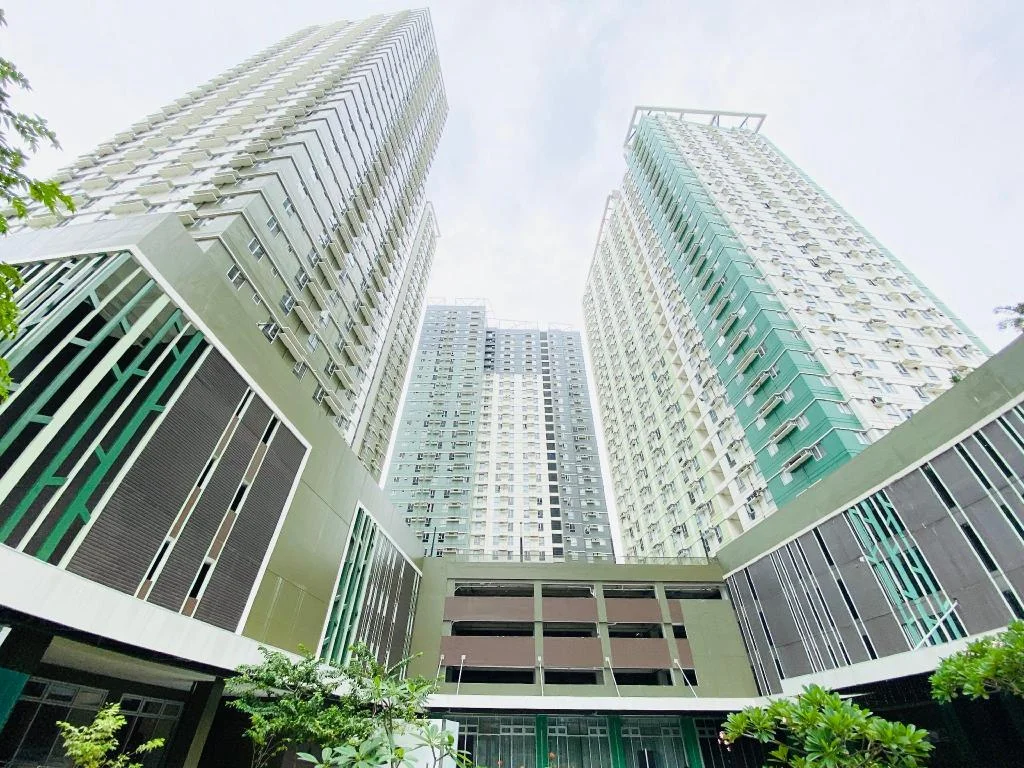
Cebu Avida Riala by P&J
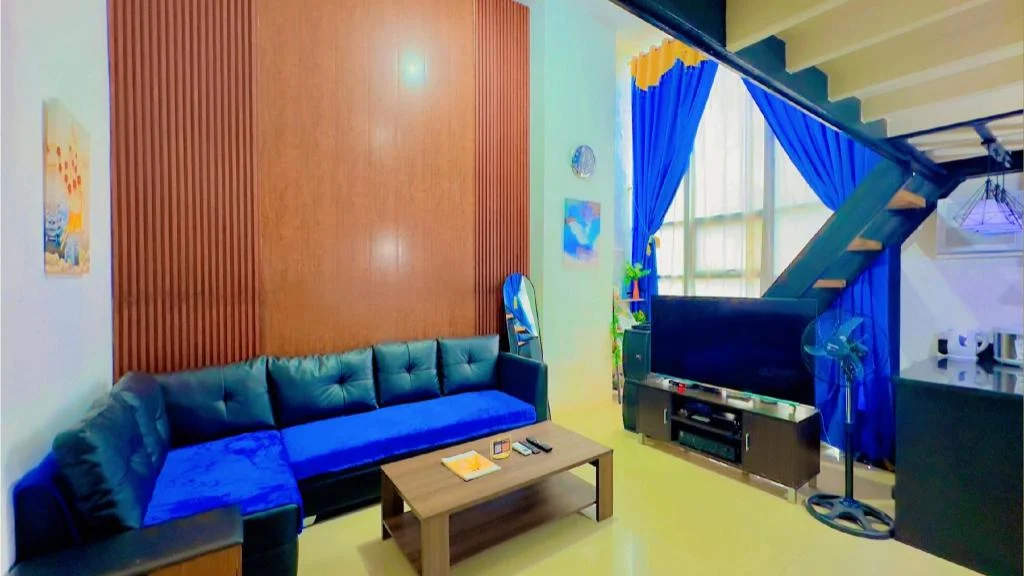
Special Big Loft Unit w/Fibreop Internet & Netflix
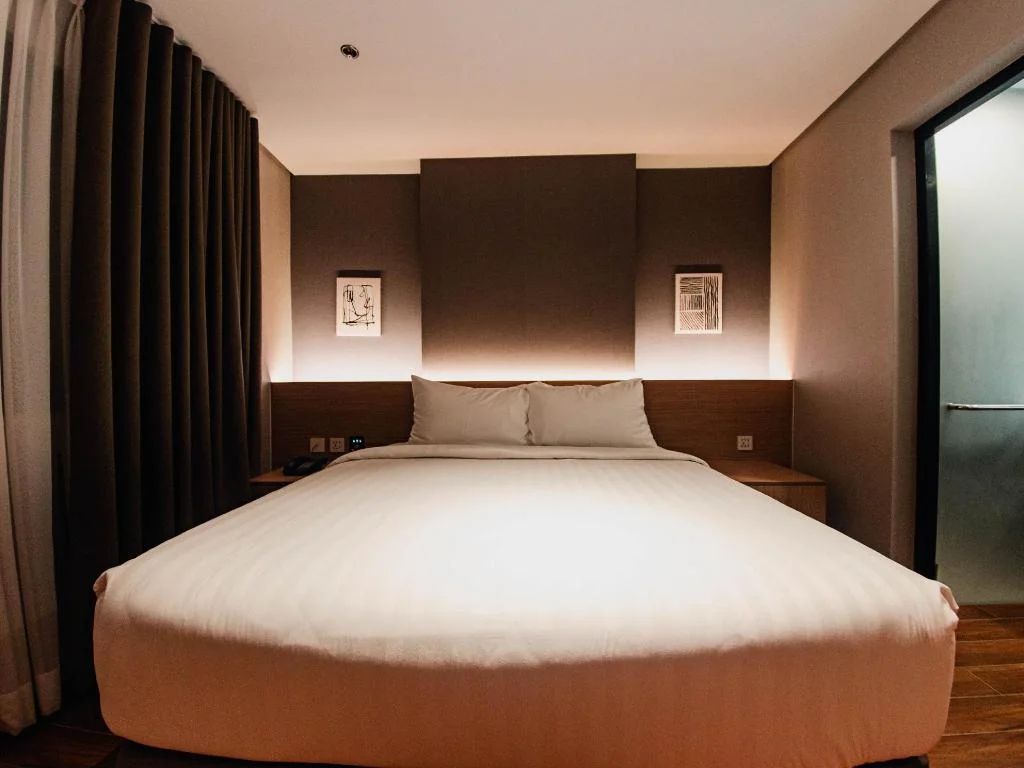
Moonstar Cebu Hotel - Deluxe Room
Before you go
Frequently asked
What's the single biggest way to save money in Cebu?
Is Grab cheaper than a taxi in Cebu?
Are joiner tours actually cheaper than private tours?
Where can you exchange money without losing on the rate?
How do you get cheap flights and ferries to Cebu?
Is bottled water a waste of money in Cebu?
Can you haggle at Carbon Market?
Does when you visit Cebu affect how much you spend?
More Places to Explore
Colon Street
Cebu City
The oldest street in the Philippines, a historic commercial thoroughfare that has been Cebu's trading center since Spanish colonial times.
Carbon Market
Cebu City
Cebu's oldest and largest market (since 1909), offering an authentic local shopping experience with fresh produce, seafood, and traditional goods.