
TL;DR: Cebu has seven National Cultural Treasure (NCT) churches — the Basilica del Santo Niño in Cebu City, the Boljoon complex, and the churches of Carcar, Sibonga, Argao, Dalaguete, and Oslob — plus the Santo Niño image itself, declared separately in 2021. NCT is the Philippines’ highest legal heritage status under Republic Act 10066. All are free, active parish churches. The six southern ones sit along the same highway and can be strung into one long day trip or a relaxed two-day loop from Cebu City. Verified July 2026.
Most visitors know the Basilica del Santo Niño as a quick photo stop before the beach. Few realize Cebu quietly holds one of the densest clusters of National Cultural Treasures anywhere in the Philippines outside Metro Manila — six more churches declared alongside it, strung along the south coast highway through towns most day-trippers drive straight past. This guide is for travelers who want to understand what “National Cultural Treasure” legally means, which Cebu sites actually carry the designation (the real list is more specific than most blog posts suggest), and how to see them without needing a week. If you like heritage travel, architecture, or simply want a reason to stop in Carcar beyond the lechon, this is the itinerary spine for that.
Cebu’s National Cultural Treasures at a Glance
| Site | Town | Declared | Note |
|---|---|---|---|
| Basilica del Santo Niño (church + image) | Cebu City | 2021 | Oldest church site in the country; the Santo Niño image is a separately declared NCT |
| Boljoon Church (Patrocinio de Maria complex) | Boljoon | 2001 | The original declaration; one of the oldest stone churches in the Philippines |
| St. Catherine of Alexandria Church | Carcar City | 2018 (marker 2023) | Neo-Gothic facade, Archdiocesan Shrine |
| Nuestra Señora del Pilar Church | Sibonga | 2018 | Least-visited of the seven; simple coral-stone parish church |
| San Miguel Arcangel Church | Argao | 2018 | Elaborate baroque interior murals, holds NCT and National Historical Landmark status |
| San Guillermo de Aquitania Church | Dalaguete | 2018 (marker 2024) | Complete complex — church, convent, and watchtower |
| La Inmaculada Concepcion Church | Oslob | 2018 (marker 2023) | Paired with the Cuartel Ruins, near the whale shark area |
Verified July 2026.
What Does “National Cultural Treasure” Actually Mean?
It’s the highest tier of legal heritage protection in the Philippines, not just an honorary title. Under the National Cultural Heritage Act (Republic Act 10066), a National Cultural Treasure is a Grade I cultural property — one judged to have outstanding historical, cultural, artistic, or scientific value to the entire country, not just the local community. The National Museum of the Philippines holds jurisdiction over declaring built and movable NCTs (churches, artifacts, artworks), while the separate National Historical Commission of the Philippines (NHCP) declares National Historical Landmarks based on historical rather than artistic criteria — which is why a site like Argao Church can legitimately hold both labels at once.
The practical effect: once a structure is an NCT, any repair, renovation, or alteration legally requires prior approval from the National Museum. That is why some of these churches still show old wood beams and weathered stone rather than getting fully modernized — restoration work has to go through a formal review process, and parishes can’t just repaint or demolish sections on their own initiative.
Which Cebu Sites Are Actually National Cultural Treasures?
Seven church structures across six towns, plus the Santo Niño image as a separate, distinct declaration. The starting point was Boljoon Church, declared an NCT in 2001 (NMP Declaration 2-2001) for its rare, near-intact Spanish-era stone church-convent complex. In 2018, the National Museum expanded that into a single “church complex” declaration (NMP Declaration 2-6, Series of 2018) that folded in five more southern Cebu churches sharing the same Augustinian-era coral-lime masonry tradition: Carcar, Sibonga, Argao, Dalaguete, and Oslob.
Separately, in April 2021 — timed to the 500th-anniversary commemoration of Christianity’s arrival in the Philippines — the National Museum and NHCP jointly declared the Basilica del Santo Niño itself, plus the Santo Niño image it houses, as National Cultural Treasures. The image is the oldest Christian relic in the country: the same figure Ferdinand Magellan reportedly gave to Cebu’s queen in 1521, recovered undamaged from a burning hut by Legazpi’s soldiers in 1565.
One clarification worth making, because online lists disagree on this: the 2018 declaration covers six churches as one complex (Boljoon plus the five expansion towns), and the Basilica sits on its own separate 2021 declaration. Some articles round this to “four” or “five” NCT churches because they’re only counting the marker-unveiling ceremony dates (which trickled out between 2019 and 2024 due to pandemic delays) rather than the underlying 2001/2018 legal declarations. The declarations are what carry legal weight; the marker ceremonies are the public unveiling that came later.
The Basilica del Santo Niño — Cebu’s Only NCT Within City Limits
This is the one NCT site you can reach without leaving Cebu City, and it’s usually the first heritage stop for anyone landing in Cebu. Founded in 1565, it’s the oldest church in the Philippines and was designated by the Holy See as “Mother and Head of All Churches in the Philippines” in 1965. The Santo Niño image sits in a side chapel behind glass, with a near-constant line of devotees; the basilica itself hosts hourly masses on busy days. It sits a short walk from Magellan’s Cross and Fort San Pedro, so most visitors pair all three in under two hours. For deeper detail on visiting hours, mass schedules, and etiquette, see our Basilica del Santo Niño guide.
Boljoon — Where the Whole Designation Started
Boljoon Church earned NCT status in 2001, nearly two decades before the rest of the complex, because it’s one of the most intact original Spanish stone churches left in the country. The complex includes the church itself, a fortified convent, and remnants of a watchtower — all built to withstand both weather and Moro raids in the 17th and 18th centuries. Its punched, hand-carved wooden panels are frequently cited by conservators as some of the finest surviving examples of the style in the Philippines. Boljoon sits roughly two hours south of Cebu City along the coastal highway; see our Boljoon guide for logistics.
Carcar, Sibonga, Argao, Dalaguete, Oslob — The 2018 Expansion
These five towns joined Boljoon under one 2018 NCT declaration, but each church has its own distinct look and history worth stopping for.
- St. Catherine of Alexandria Church, Carcar City — an Archdiocesan Shrine with a neo-Gothic facade layered over the original stone structure; the marker for its NCT status was formally unveiled in November 2023. Pair it with a walk through Carcar’s heritage district and the town’s famous lechon and chicharon stalls.
- Nuestra Señora del Pilar Church, Sibonga — the quietest of the seven, with almost no tourist infrastructure around it; most travelers only pass through Sibonga en route to the Simala Shrine, which is a different, more modern site nearby and not itself an NCT.
- San Miguel Arcangel Church, Argao — arguably the most visually striking of the group, with an elaborately muraled baroque interior and a facade of twin pilasters. It carries both NCT and National Historical Landmark status.
- San Guillermo de Aquitania Church, Dalaguete — the most complete surviving complex, including the church, convent, and a watchtower; its NCT marker was unveiled in February 2024, the most recent of the group.
- La Inmaculada Concepcion Church, Oslob — built in stages between 1830 and 1847 under Fr. Julian Bermejo, and paired with the nearby Cuartel Ruins watchtower. Its marker was unveiled in 2023. Most travelers already pass through Oslob for whale shark watching, making this an easy add-on rather than a special trip.
These six churches sit along roughly 100 km of the same south-bound national highway, in the order Carcar → Sibonga → Argao → Boljoon → Dalaguete → Oslob heading south from Cebu City.
Is It Worth Visiting These Sites?
If you’re already drawn to heritage architecture or Spanish colonial history, yes — this cluster is genuinely uncommon and free to see. If churches aren’t your thing, the Basilica alone (since it’s already in the city) covers the highlight; skip the southern loop unless you’re passing through those towns anyway for Oslob’s whale sharks or Kawasan Falls. None of these are “wow” tourist attractions in the theme-park sense — they’re working parish churches with centuries of continuous use, which is exactly the point. Go in expecting quiet stone interiors and genuine local devotion, not a curated museum experience.
How Do You Visit Them?
Base yourself in Cebu City or Carcar, and treat the southern six as one long day trip or a relaxed two-day loop. A rental car or a hired van with driver gives the most flexibility, since public buses run the highway but don’t linger at each church. Realistically:
- One long day (7–9 hours round trip): Cebu City → Carcar → Sibonga → Argao → Boljoon → Dalaguete → Oslob → back. Doable but rushed if you also want lunch and photos at each stop.
- Two-day version: overnight in Oslob or Moalboal, splitting the churches across both legs of the drive, and folding in whale shark watching or Kawasan Falls on day two.
- City-only version: just the Basilica del Santo Niño, combined with Magellan’s Cross and Fort San Pedro — under two hours, no car needed.
A private van or car-with-driver is worth booking rather than self-driving if you’re not used to Philippine highway traffic; compare South Cebu day tour options on Klook or check heritage and church tour listings on GetYourGuide if you’d rather join a guided group. If you’re basing in Cebu City for the Basilica leg, compare hotels in Cebu City on Agoda.
The Honest Take
Don’t expect these churches to look “wow” the way a beach or waterfall does — they’re modest, working parish buildings, and a few (Sibonga especially) have almost nothing set up for visitors: no gift shop, no signage explaining what you’re looking at, sometimes not even a caretaker to ask. That’s part of the appeal if you’re into heritage travel, and a letdown if you’re expecting a polished museum experience. Go on a weekday morning if you want the interiors to yourself; Sundays mean mass schedules take priority and you may not be able to wander freely during services. Photography inside is usually fine but be discreet during active worship, and dress modestly (shoulders and knees covered) at every stop. Skip this entirely if churches genuinely don’t interest you — the Basilica alone gives you the historical headline without the six-town drive.
Round It Out
Pair the National Cultural Treasure churches with the rest of Cebu’s heritage core — see our best churches in Cebu roundup for the full list including non-NCT sites like the Cebu Metropolitan Cathedral, or follow the Cebu cultural heritage walking tour for a downtown-only version that skips the long drive south. If museums are more your speed, Casa Gorordo rounds out the colonial-era picture with period furnishings rather than religious architecture.
Sources
- Manila Bulletin — Pilgrim image, basilica of Sto. Niño in Cebu declared National Cultural Treasures
- Cebu Daily News — Basilica, image of Sr. Sto. Niño declared as National Cultural Treasures
- Wikipedia — List of National Cultural Treasures in the Philippines (Boljoon 2001 declaration; 2018 expansion covering Carcar, Sibonga, Argao, Dalaguete, Oslob)
- The Freeman/Philstar — Carcar church certified as national cultural treasure
- GMA Network — Church in Dalaguete, Cebu named National Cultural Treasure
- Republic Act No. 10066, the National Cultural Heritage Act of 2009 (legal basis for NCT declarations)
- Declaration dates and marker-unveiling ceremonies cross-checked against 2023–2024 local news reporting; confirm current visiting hours and mass schedules locally. Verified July 2026.
Book Tours & Hotels for This Trip
Find and book the best deals — prices and availability update in real time. Links open in a new tab.
Where to stay near Cebu City
Top-rated hotels for this trip — tap through to check live rates.
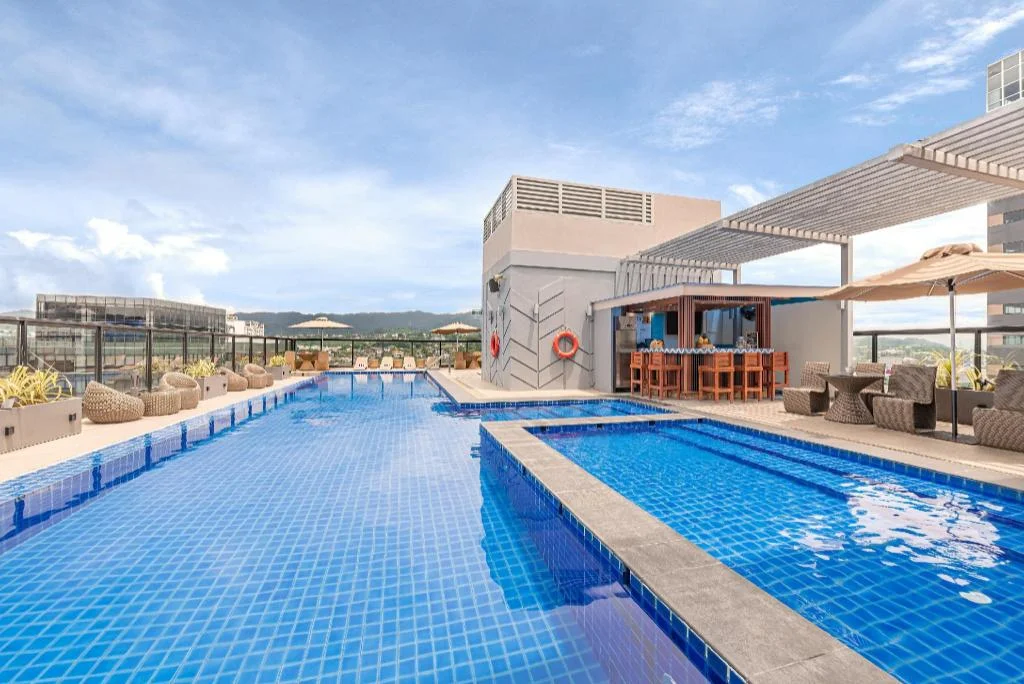
Seda Central Bloc Cebu City
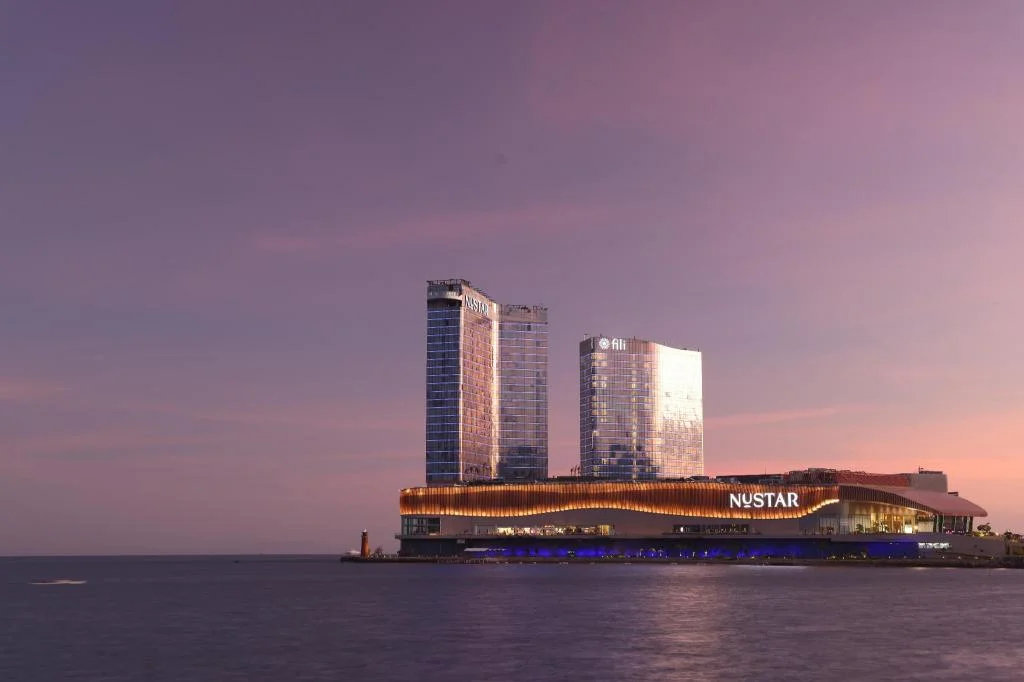
Fili Hotel - NUSTAR Resort & Casino Cebu
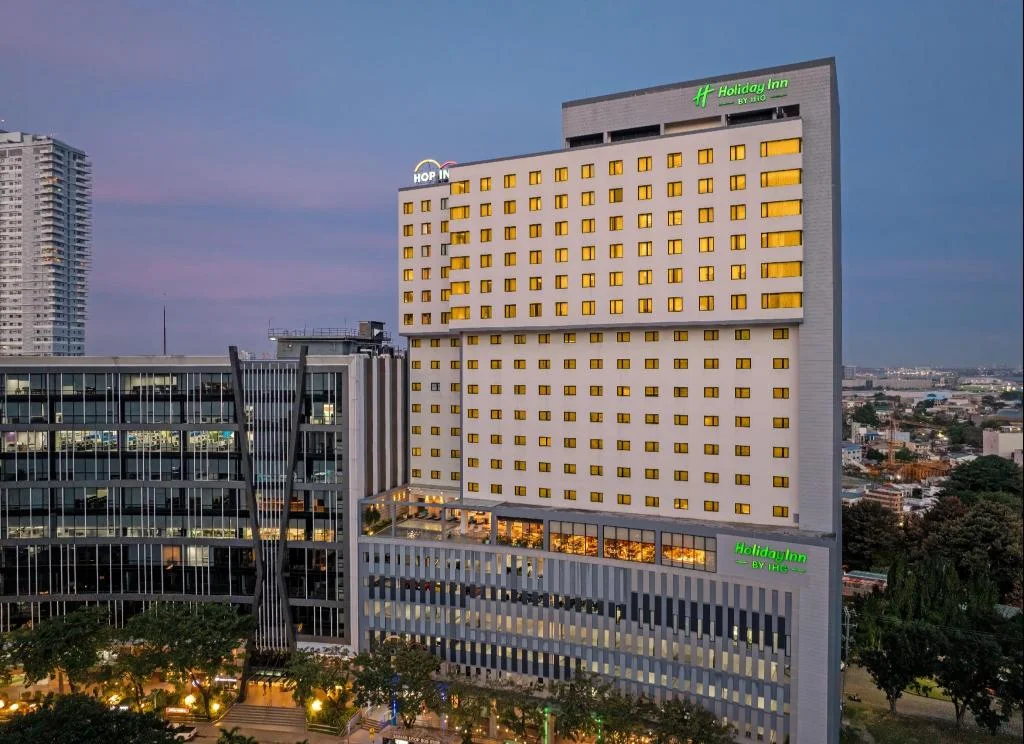
Holiday Inn Cebu City By IHG
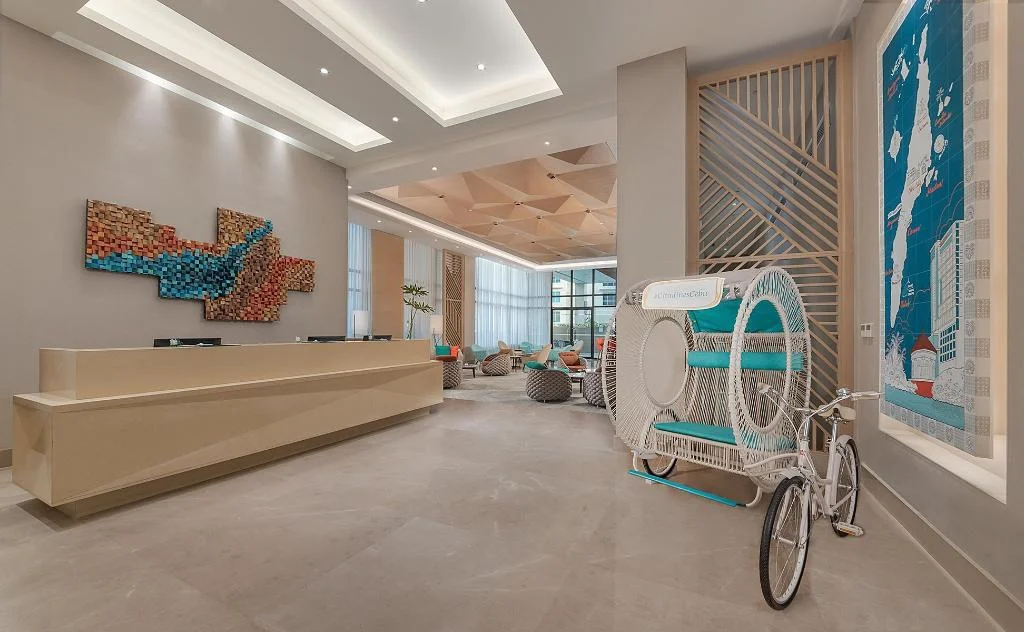
Citadines Cebu City
Prefer a rental? Vacation rentals near Cebu City
Self-catering condos and apartments — book the exact unit, kitchen included.
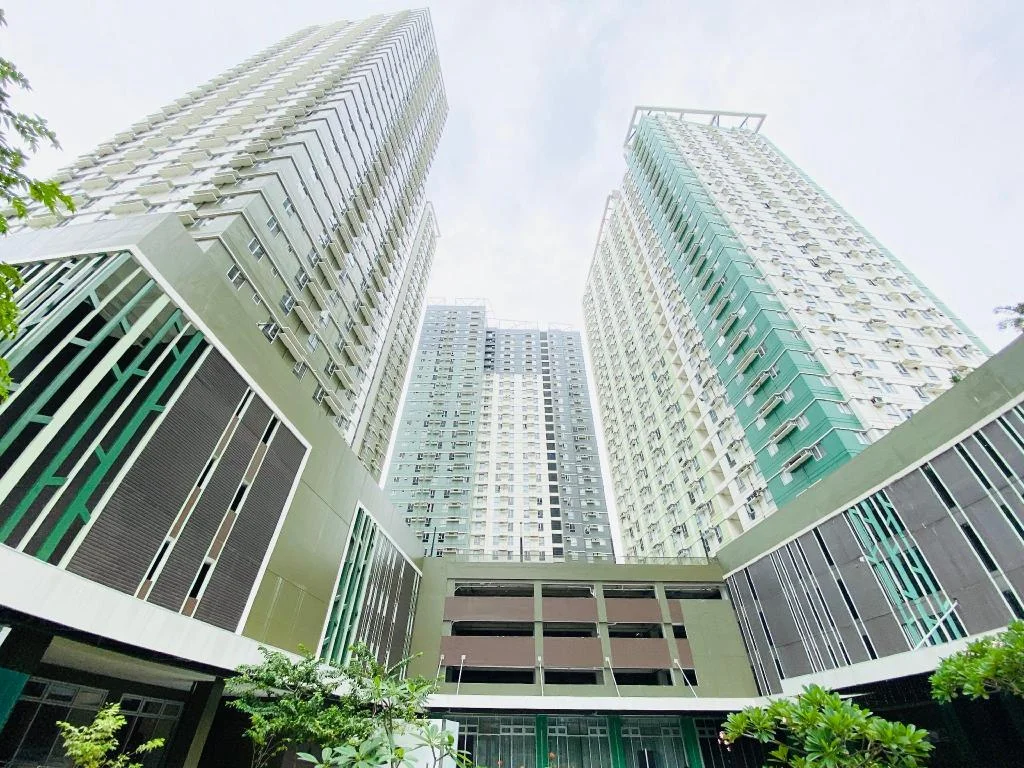
Cebu Avida Riala by P&J
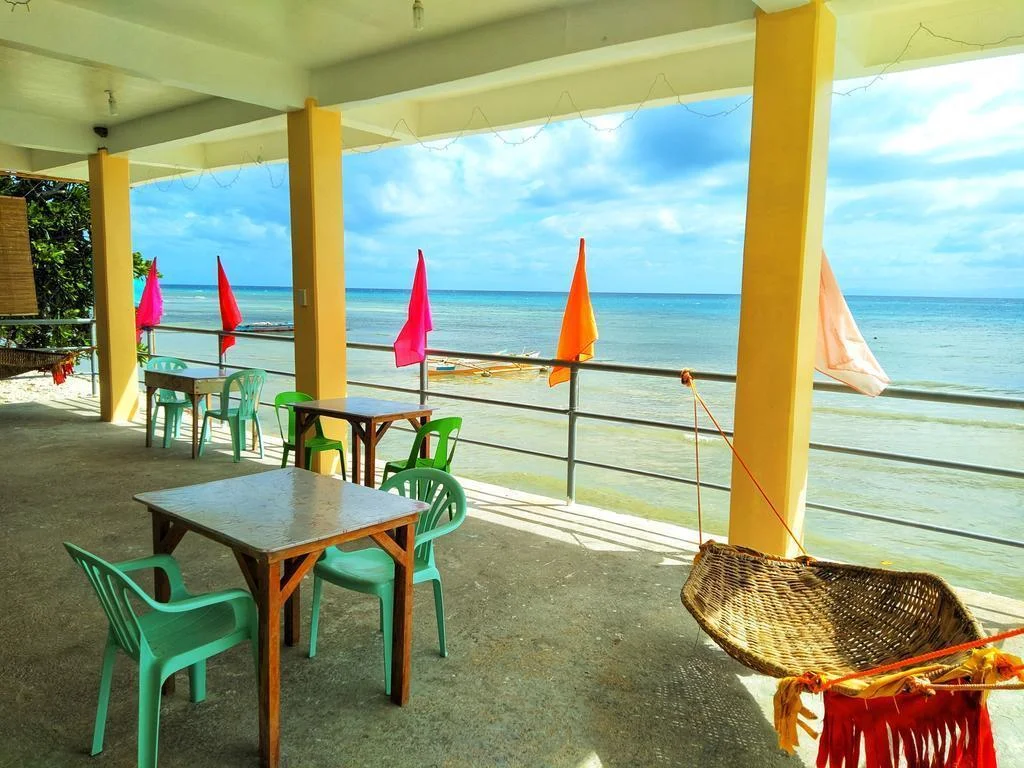
Ocean View Lodging House
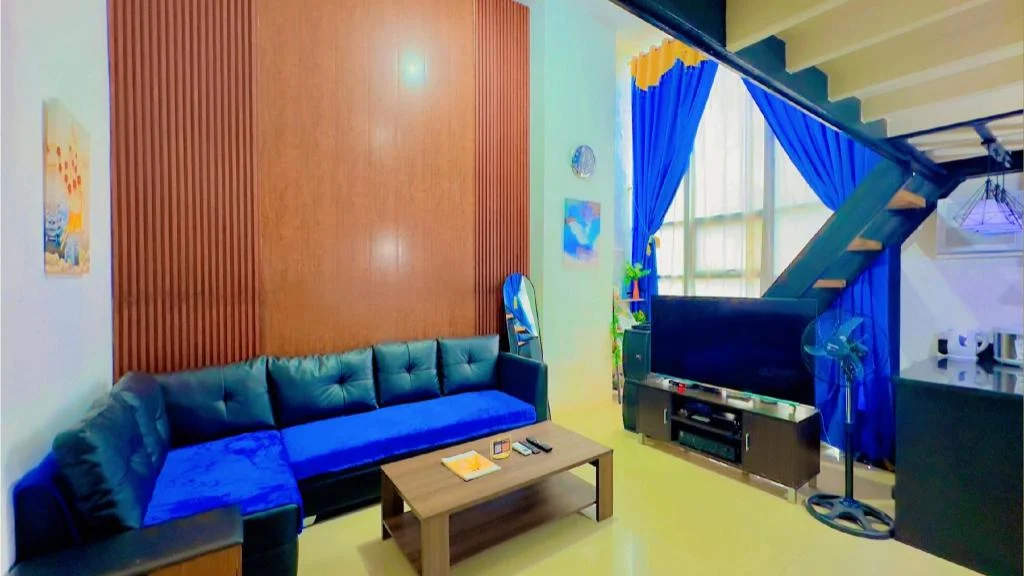
Special Big Loft Unit w/Fibreop Internet & Netflix
Before you go
Frequently asked
How many National Cultural Treasures does Cebu have?
What does 'National Cultural Treasure' actually mean?
Is the Basilica del Santo Niño the only National Cultural Treasure in Cebu City?
Are these churches free to visit?
Can you visit all the Cebu National Cultural Treasure churches in one trip?
Why were so many Cebu churches declared together in 2018?
What's the difference between a National Cultural Treasure and a National Historical Landmark?
Is it worth building a trip around Cebu's National Cultural Treasures?
More Places to Explore
Basilica del Santo Niño
Cebu City
The oldest church in the Philippines (1565), home to the miraculous Santo Niño image and center of the famous Sinulog Festival.
Immaculate Conception Church
Oslob
A National Cultural Treasure built in 1830, this coral stone church is a magnificent example of Spanish colonial religious architecture.
San Miguel Arcangel Parish Church
Argao
A beautifully preserved 18th-century Spanish colonial church with baroque architecture, intricate carvings, and National Cultural Treasure status.
St. Catherine of Alexandria Parish Church
Carcar City
A magnificent 19th-century baroque church and National Cultural Treasure, serving as the centerpiece of Carcar's historic heritage district.